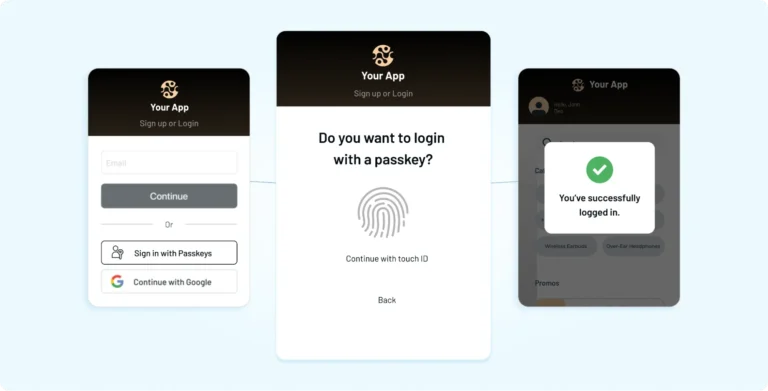
California – Major global tech companies are increasingly adopting “Passkeys” as a safer and more seamless alternative to traditional password systems and two-factor authentication (2FA). This technological shift comes amid rising sophisticated cyberattacks and account hijacking attempts that exploit the inherent vulnerabilities of conventional text-based passwords.
Biometric Encryption and Device Binding
Passkeys rely on advanced encryption techniques that link the login process directly to the user’s hardware, such as a smartphone or personal computer. Instead of typing credentials that can be stolen or guessed, users utilize biometric verification methods like fingerprint scanning or facial recognition. Cybersecurity experts argue that this technology drastically reduces “phishing” risks since users do not need to input data that can be intercepted or receive verification codes via hackable SMS messages.
Ease of Use and the Future of Digital Protection
The new technology offers a rapid login experience without the need to memorize complex passwords or frequently update them. Leading tech firms have begun gradually integrating passkeys into email services and digital platforms. Unlike traditional 2FA, which often relies on temporary codes or messages prone to fraud, passkeys use unique cryptographic keys that are nearly impossible to copy or reuse by unauthorized parties.
The Standard for Account Security
Specialists emphasize that the transition toward passkeys represents the future of digital protection, especially with the growing reliance on e-services for daily transactions. Projections suggest that passkeys will become the primary standard for securing accounts in the coming years, effectively ending the decades-long era of passwords, which has proven increasingly vulnerable to modern threats.