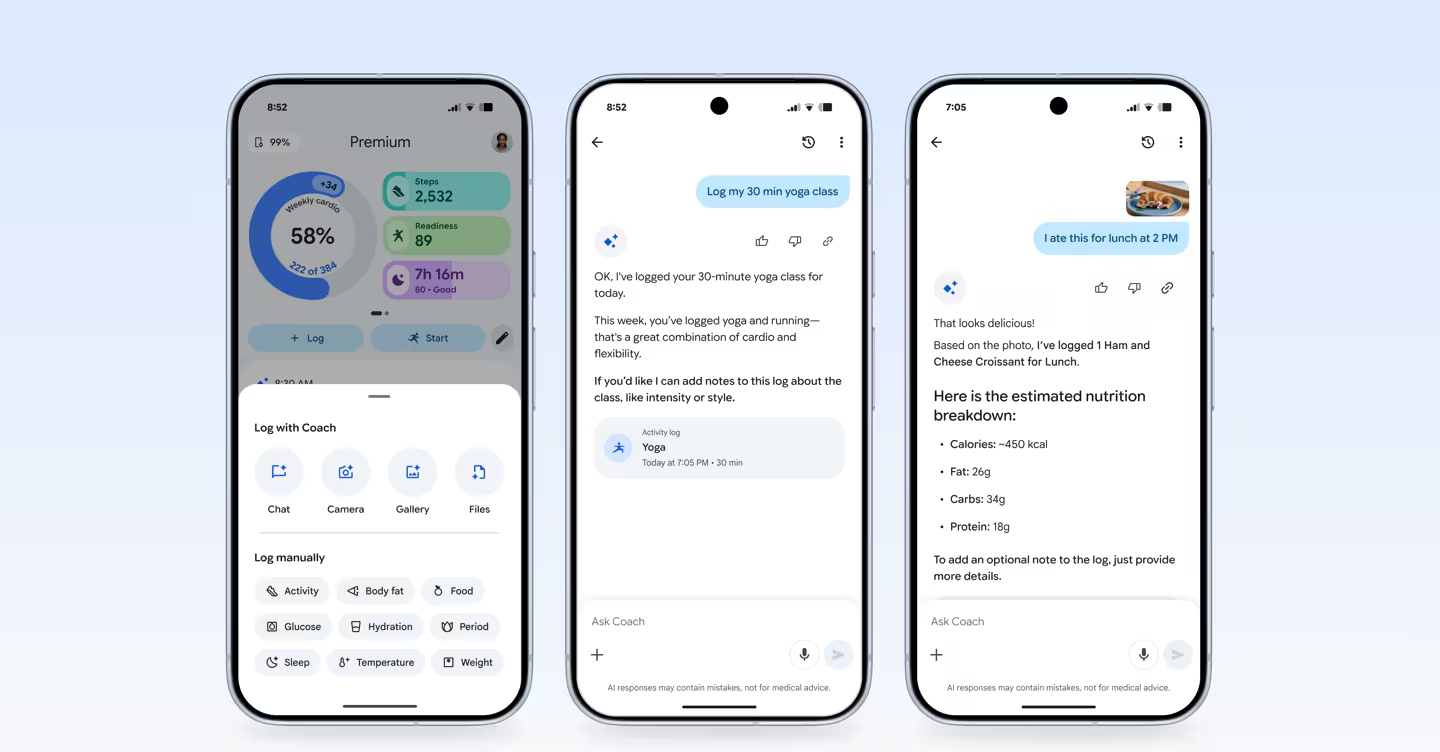
Washington – Sleep tracking technologies in smartwatches and rings have undergone significant development, becoming essential health tools for monitoring sleep quality and lifestyle improvement. This progress aligns with a global surge in digital health and early disease prevention, as these devices provide precise data that helps users understand their physical and mental well-being more deeply.
Advanced Sensors for Sleep Cycle Analysis
These devices utilize precise sensors to monitor body movement, heart rate, blood oxygen levels, and breathing patterns during sleep. They deliver detailed reports on deep and light sleep stages, as well as the regularity of the sleep-wake cycle. This allows users to identify negative habits affecting mental focus, such as respiratory disturbances or psychological stress.
AI: The Personal Health Assistant
Major tech companies are moving toward more accurate “Artificial Intelligence” (AI) to analyze sleep patterns and link them to overall health status. This shift aims to transform wearable devices into personal health assistants capable of providing early indicators of fatigue or potential health issues, alongside daily physical activity and nutrition advice based on continuously collected data.
Smart Alerts and Medical Recommendations
Certain smartwatches and rings provide smart alerts to help users choose the optimal time to wake up, aligning with the body’s natural sleep cycle. Despite the vast benefits of these technologies, specialists emphasize that their results should be viewed as supplementary indicators rather than a substitute for professional medical examinations, especially in cases of chronic sleep disorders.