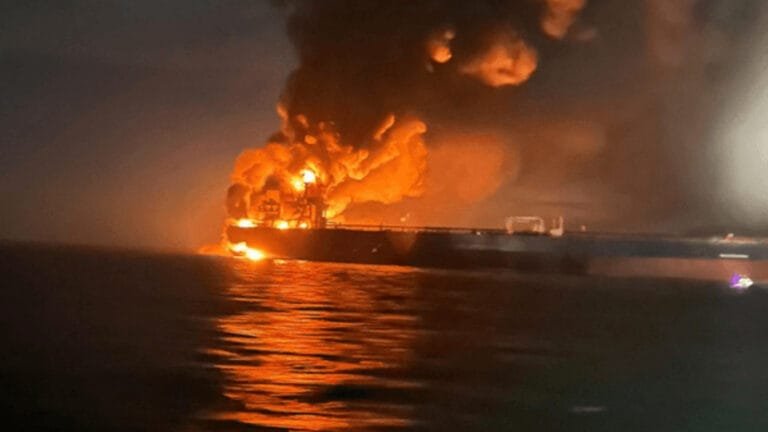
Abu Dhabi, UAE – The Iranian attack targeting two Emirati oil tankers has sparked widespread condemnation, with warnings that the operation represents an unprecedented escalation. Observers also believe it may constitute a clear violation of international law and the United Nations Convention on the Law of the Sea, particularly as it occurred outside Iranian territorial waters.
Observers consider targeting commercial vessels in international waterways a direct threat to freedom of navigation and the security of global trade. Furthermore, international markets depend on the safety of oil and gas shipping lanes through the Arabian Gulf and the Strait of Hormuz.
International law experts have confirmed that any military actions targeting civilian vessels outside a country’s territorial waters constitute a violation of international obligations. Consequently, such actions could open the door to diplomatic and legal action to hold those responsible for these attacks accountable, especially if they are proven to have occurred in international waters.
This development comes amid escalating regional tensions, with observers fearing that such attacks could widen the conflict and threaten the security of international navigation. These events also impact global energy markets and increase shipping and marine insurance costs, further straining the global economy.