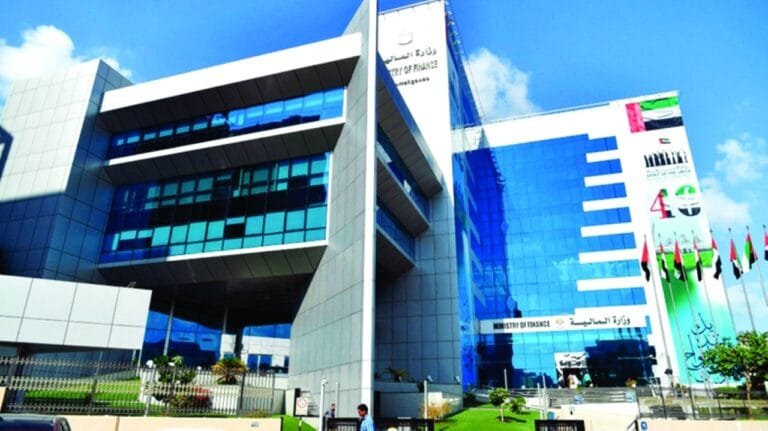
Dubai, UAE – The UAE Ministry of Finance has launched the Federal General Budget Yearbook 2026, titled “Investing in People to Ensure a Prosperous Future.” This initiative aims to enhance financial transparency and highlight government spending priorities and development objectives.
The yearbook reflects the UAE government’s vision of placing human beings at the heart of the development process. It also focuses on directing financial resources towards sectors that directly impact the quality of life in society, thereby supporting the building of a cohesive society and a sustainable economy.
Balanced budget for the second year
His Highness Sheikh Maktoum bin Mohammed bin Rashid Al Maktoum, First Deputy Ruler of Dubai, Deputy Prime Minister, and Minister of Finance, affirmed that the 2026 federal budget represents a practical embodiment of the leadership’s vision to build a sustainable future based on investing in human capital and enhancing quality of life.
He explained that the federal budget continues to achieve fiscal balance for the second consecutive year. Revenues and expenditures reached AED 92.4 billion, compared to AED 71.5 billion in the 2025 budget. The budget witnessed an increase of nearly 29%, reflecting the strength of the national economy and its ability to achieve fiscal sustainability.
Government spending priorities
Budget data revealed that the federal government focused on supporting vital sectors directly linked to community life. AED 30.8 billion was allocated to the public services sector, and AED 16.9 billion to the education sector, underscoring the priority of human development and building national capabilities.
The budget also allocated AED 5.7 billion to the health sector to improve healthcare services and enhance quality of life. Additionally, AED 3.7 billion was allocated to the housing sector to support family stability, and AED 1.4 billion to the economic affairs sector to boost growth and stimulate development activities. Furthermore, the budget allocated AED 33.9 billion to other sectors.
Developing the financial system
For his part, Mohammed bin Hadi Al-Husseini, Minister of State for Financial Affairs, affirmed that the annual budget reflects a comprehensive financial vision based on medium- and long-term planning and linking government spending to performance and results.
He noted that the Ministry of Finance continues to develop the budget preparation and implementation system by adopting best global financial practices and employing digital transformation and artificial intelligence technologies. This contributes to enhancing the efficiency of government spending and supporting the achievement of national goals, while also promoting transparency and building confidence in the state’s financial policies.