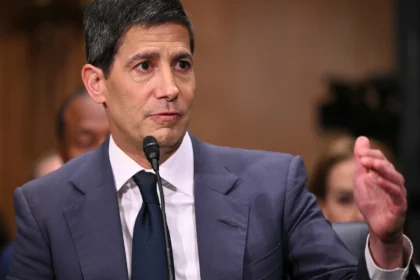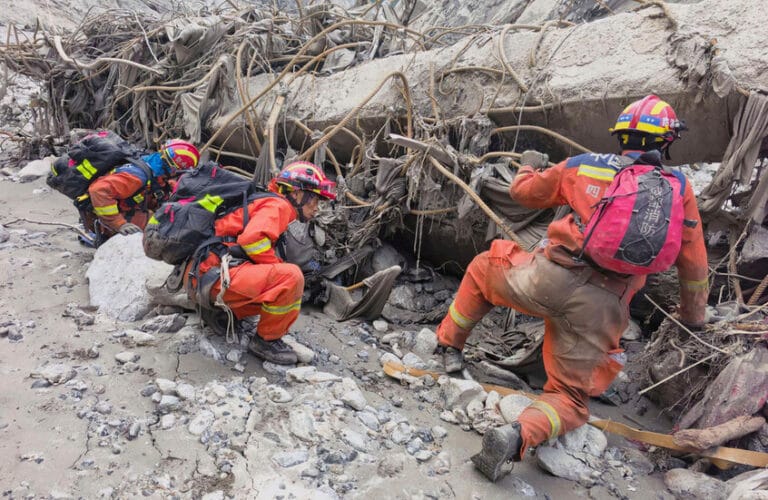
Kathmandu, Nepal – Nepal’s Finance Minister, Swarnim Wagli, announced that his country urgently needs between $4 billion and $5 billion (approximately £2.95 billion to £3.69 billion) to fund comprehensive reconstruction efforts following the unprecedented and devastating flash floods that recently struck the country. Wagli clarified to Reuters that these figures are still preliminary estimates and are pending a thorough and comprehensive assessment of the extent of the losses and material damage.
Widespread destruction of infrastructure and power stations
The devastating floods resulted in a severe humanitarian and infrastructural catastrophe. The damage extended beyond the destruction of thousands of homes to include critical infrastructure such as vital roads and strategic bridges. Furthermore, hydroelectric power stations suffered extensive damage. Satellite imagery also revealed that some vital industrial sites had been reduced to near-total rubble.
A tragic toll of victims and arduous rescue efforts
On a human level, the flash floods have claimed the lives of more than 600 people. Nepal’s disaster management authority reports that approximately 2,426 people remain missing. Search and rescue operations are continuing for the fourth consecutive day amidst extremely challenging weather conditions, with monitoring centers warning that persistent rainfall is hindering relief teams’ access to many of the worst-affected areas, particularly around Trishuli district.
A glimmer of hope and urgent aid convoys
Amid the tragedy, families anxiously awaiting news of their missing loved ones, including hundreds of foreigners, experienced a rare moment of hope: the successful rescue of a 97-year-old woman from the rubble of a nursing home. Her relatives described her as a “fighter.” On the humanitarian front, aid convoys carrying medical and food supplies began arriving by truck to assist those affected in the disaster-stricken areas. This coincided with governmental and international efforts to contain the catastrophic repercussions of the crisis.