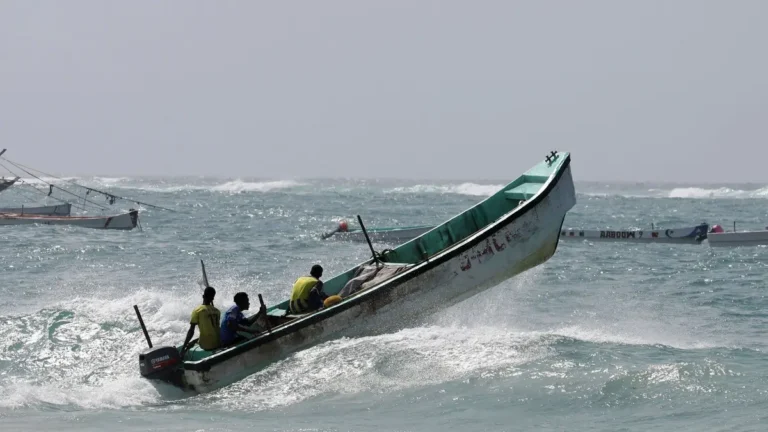
Mogadishu, Somalia – The rapidly escalating piracy off the coast of Somalia has compounded the already serious threats facing the global shipping industry. This sector is already under unprecedented pressure due to naval blockades and conflicts stemming from the US-Iran war in the Middle East.
Pirate attacks and ship hijackings on the rise
The Gulf of Aden and adjacent territorial waters witnessed the seizure of two cargo ships in a period of just four days. This brings the total number of vessels targeted since the beginning of the year to at least 13. This development represents the largest escalation in hijackings and piracy in over a decade and has reignited serious concerns about the security of navigation in these vital waterways for international trade. Against this backdrop, Washington and Tehran are vying for control of the Strait of Hormuz, while Houthi allies in Yemen maintain a blockade of the Bab el-Mandeb Strait. This has, in turn, diverted the attention of international naval forces and reduced their patrols in the Indian Ocean and the Gulf of Aden. Vice Admiral Ignacio Villanueva Serrano, commander of operations for the EU Naval Force, noted that the pirates believe the international coalition is focused on the crises in the north and is not currently pursuing them.
Details of the “Lutov” ship incident and the mysterious air raids
Among the most recent operations, the Cameroonian-flagged vessel MV Lutof was hijacked on August 17 off the coast of Puntland. This was followed by the seizure of the oil tanker MT Sibu 1 near the Yemeni coast. This vessel is believed to be linked to Iran’s “shadow fleet.” The hijacking of the Lutof has had unforeseen consequences on the ground. Most notably, 13 people allegedly belonging to a pirate arms supply network have been killed in drone strikes since August 18. While no official entity has claimed responsibility for these strikes, local officials in Puntland have pointed the finger at Turkey. Some have suggested that the vessel was carrying equipment and weapons destined for a Turkish military training facility in the capital, Mogadishu. For its part, the Turkish Ministry of Defense announced that it was providing “necessary support” to the Somali authorities, without commenting on the strikes attributed to it.
The roots of the crisis and the future of regional navigation
Although these figures pale in comparison to the peak of the piracy crisis in 2011, when hundreds of attacks were carried out, experts warn that criminal networks have remained intact due to the failure to address Somalia’s deep-seated economic and security crises. These networks are also currently fueled by the depletion caused by illegal foreign fishing vessels. With international maritime patrols continuing to decline and shipping diverted to the Somali coast to escape conflict zones, the region remains vulnerable to further instability. This situation will persist unless the war in the Middle East ends or international deterrence is urgently strengthened.