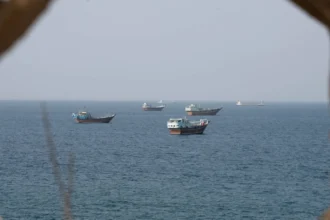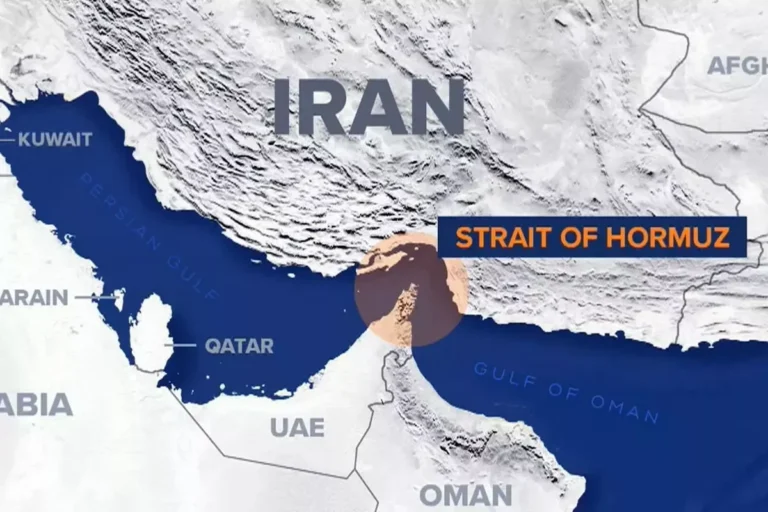
London, Britain – Reuters reported on Wednesday that most ship owners continued to avoid transiting the Strait of Hormuz due to the lack of any clear indication that it would reopen following the reimposition of the blockade. This was according to data from the company Kpler. Kpler confirmed that only six cargo ships passed through the strait on Tuesday. This figure represents a decrease compared to nine ships the previous day and is also significantly lower than the previous ten-day average of 11 ships.
The same data showed that the only vessel entering the strait was an empty supertanker sailing alongside the Omani side. In addition, two other oil tankers also transited, one medium-capacity and the other a smaller medium-capacity tanker. Conversely, two medium-capacity fuel tankers departed the strait. A large post-Panamax vessel also left the strait.
Conflicting statements from the US and Iran regarding navigation
This comes at a time when US President Donald Trump said on Tuesday that Washington is not holding any talks with Iran. At the same time, he confirmed that the Strait of Hormuz is open. The comment came in direct contradiction to a previous Iranian assertion that the strait remains closed to maritime traffic. It is also worth noting that before the outbreak of war, about a fifth of global crude oil and liquefied natural gas shipments passed through this vital waterway.
Chinese shipping companies are keeping their vessels away from areas of tension.
Meanwhile, tanker tracking firm Vortexa and a shipping broker reported that two major Chinese shipping companies, which transported half of China’s Middle Eastern oil imports before the war, decided to keep their tankers away from the Straits of Hormuz and Bab el-Mandeb since late July. This move came as a result of escalating security concerns that have restricted oil shipments to the world’s largest oil importer.