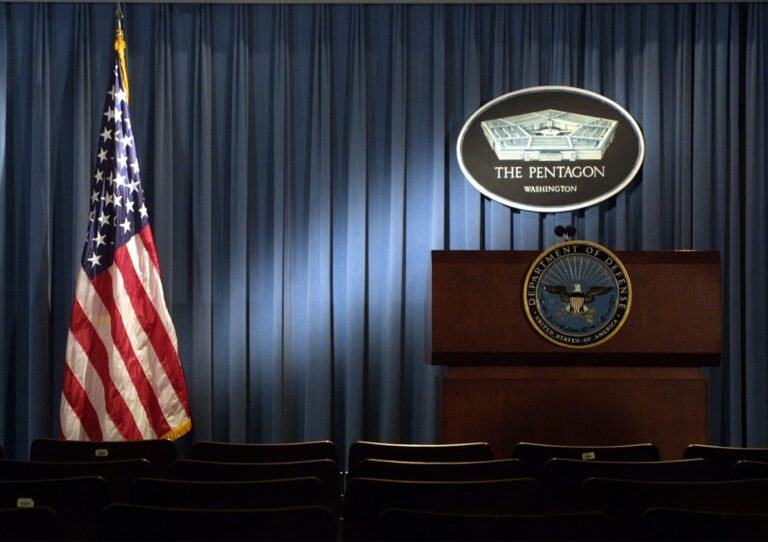
Washington, DC – The US Department of Defense has instructed 30 universities and academic institutions to conduct a comprehensive review of their partnerships and research collaborations with foreign institutions. The department has focused particularly on academic ties with Chinese entities. This move comes as Washington intensifies its efforts to protect research and technologies deemed sensitive to national security. The department has also directed universities to examine the nature of their existing collaborations with foreign institutions, including research agreements, funding sources, and the exchange of expertise and information. The aim is to ensure that no connections exist that could allow for the transfer of technologies or scientific knowledge with military applications to entities outside the United States.
The move comes amid growing U.S. concerns about collaboration between American universities and certain Chinese institutions. This is particularly worrying regarding those directly or indirectly involved in advanced military and technological research. The targeted institutions are expected to submit the results of their reviews within the timeframe set by the Department of Defense. At the same time, there is a possibility of action being taken against partnerships that Washington deems to pose risks to U.S. security or research interests.
The Trump administration has recently been attempting to tighten controls on scientific cooperation with China, particularly in fields related to advanced technology, artificial intelligence, engineering, and science. The results of this research could also be diverted to military applications. This decision is part of a broader trend of reassessing international academic relationships, driven by American concerns that some research partnerships could be exploited to gain access to advanced technologies or data and research funded by the US government.
The move has raised questions within academic circles about the future of international scientific collaboration. Some academics fear that the increased restrictions will limit research exchanges and weaken international partnerships in vital scientific fields. The decision reflects the widening scope of strategic competition between Washington and Beijing. This competition is no longer limited to trade, politics, and security; it has increasingly extended to universities, research centers, and advanced technologies. These areas are considered key arenas for competition for scientific supremacy in the coming years.