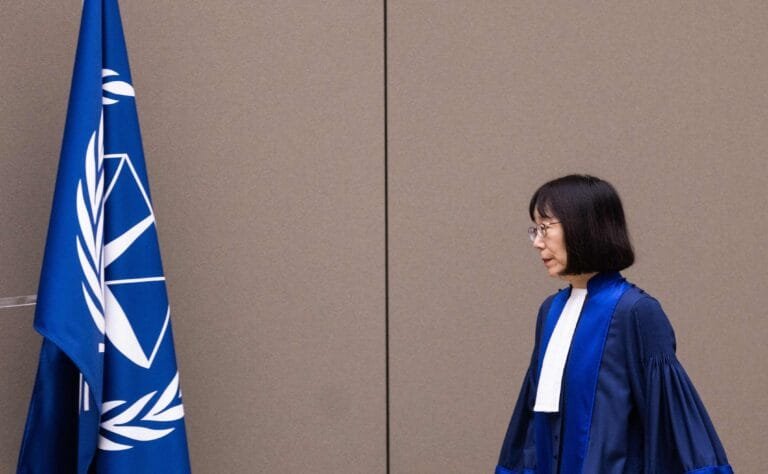
Washington, United States — The U.S. Department of the Treasury announced sanctions against Japanese judge Tomoko Akane, President of the International Criminal Court, alongside Senegalese senior trial lawyer Abdoulaye Seye. Consequently, the decision marks a sharp escalation in Washington’s pressure campaign against the Hague-based tribunal. Furthermore, the sanctions reflect the administration’s firm rejection of ICC jurisdiction over non-member states such as the United States and Israel.
Justifications and Scope of U.S. Sanctions
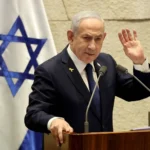
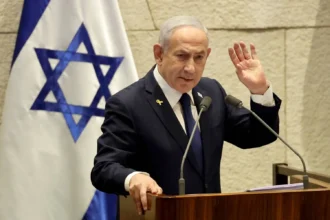
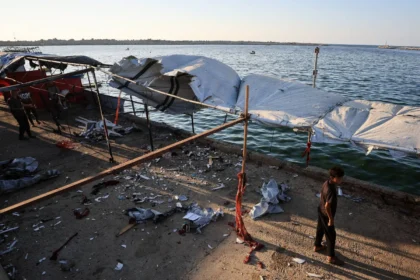
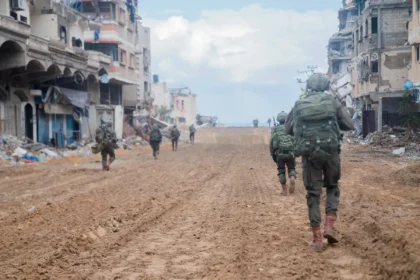
U.S. Secretary of State Marco Rubio stated that the measures target court personnel who engage in investigating or prosecuting personnel from non-consenting states. Additionally, Washington specifically cited the ICC’s arrest warrants for Israeli Prime Minister Benjamin Netanyahu and former Defense Minister Yoav Gallant, as well as prior probes into U.S. personnel in Afghanistan.
The sanctions freeze any U.S.-based assets belonging to the designated individuals and restrict access to the international banking system, while granting a temporary wind-down period through mid-September. Consequently, U.S. officials intend these actions to safeguard state sovereignty and insulate allies from external prosecution.
ICC Response and Legal Counteractions
The International Criminal Court strongly rejected the U.S. sanctions, emphasizing that targeting judicial personnel directly undermines the rule of law and international legal order. Additionally, human rights organizations and ICC judges have initiated legal challenges in U.S. courts to contest the executive sanctions.
Finally, the clash underscores persistent diplomatic and legal fractures surrounding global accountability mechanisms. Ultimately, international legal scholars and diplomats continue to monitor the implications for multilateral judicial independence.