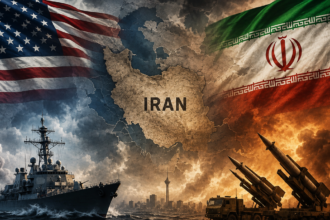
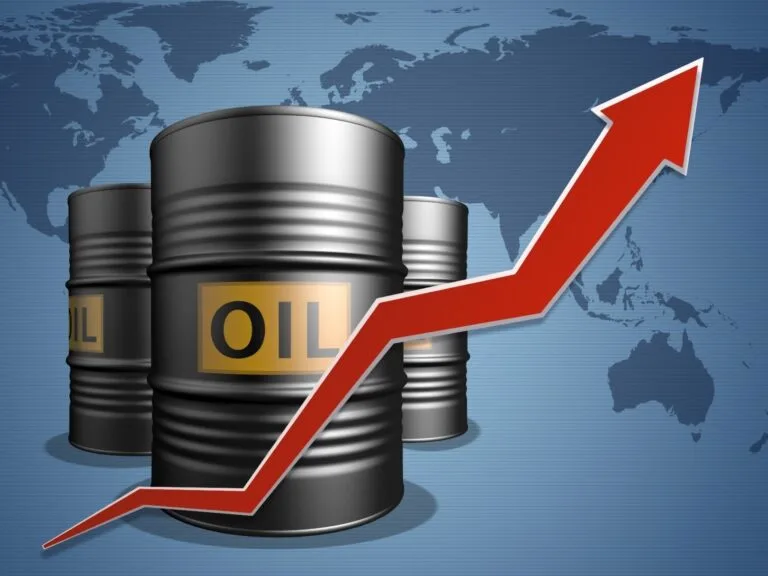
Washington, DC – Global oil prices rose sharply, influenced by continued caution among market participants regarding the security of regional energy supplies. Although there are reports of progress in talks between Tehran and Muscat concerning maritime security in the vital Strait of Hormuz, markets maintained a cautious stance. This reflects the complexities of outstanding issues.
Global and major crude oil prices see collective gains
Futures contracts for various benchmark crude oils saw a clear rise at the end of the week’s trading session. Brent crude climbed 1.29 percent to reach $83.55 per barrel. Similarly, West Texas Intermediate (WTI) crude rose 1.15 percent to $78.18 per barrel. Meanwhile, Oman crude closed 1.30 percent higher at $79.37 per barrel.
Regional oil indicators rise in the Middle East
The gains weren’t limited to global crude oils; they extended to oil price indices in the Middle East.
The price of Iranian Light crude, destined for markets in Northwest Europe, jumped 2.16 percent. Iranian Heavy crude rose 2.22 percent, and Forouzan crude climbed 2.21 percent. Meanwhile, the Dubai benchmark basket of crudes saw notable gains of 1.8 percent, further bolstering the market’s upward trend.
Negotiations falter and risks in the Strait of Hormuz
This upward trend is primarily attributed to diplomatic reports indicating that Tehran and Muscat are nearing an agreement on managing the Strait of Hormuz. Despite these positive signs, significant disagreements persist between the parties involved. These disagreements center mainly on the regulatory mechanisms for managing the waterway. They also involve the conditions for the passage of US warships, the mechanisms for collecting fees, and the issue of lifting economic sanctions. Moreover, these geopolitical uncertainties have also played a pivotal role in maintaining a state of uncertainty among traders. Consequently, this has prevented prices from declining as might have been expected under similar circumstances.
Reading the markets for supply and demand trends
The behavior of traders in international markets confirms that investors’ top priority is the genuine fear of continued disruptions to oil exports from the Arabian Gulf region. Moreover, traders have overestimated the potential impact of any temporary political agreement. This directly contributed to the price increase at the end of the week’s trading. It also reflects the extreme sensitivity of energy markets to any threats affecting maritime shipping lanes and global crude oil supplies.