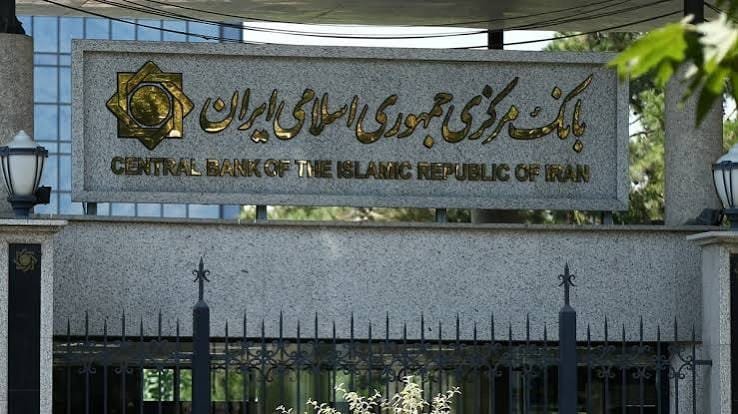
Tehran, Iran – The Central Bank of Iran announced today that the consumer price index for goods and services in urban areas reached 742.8 points in July, marking a 3.6% increase compared to the previous month. This follows a peak of 7.4% in June, the highest monthly inflation rate since the Iranian occupation during World War II.
Annual and cumulative inflation indicators
According to the Central Bank’s report, the Consumer Price Index (CPI) rose by 83.9% compared to July of last year. Similarly, the inflation rate for the twelve months ending in July reached 61.4%. It’s worth noting that the inflation rate in July of last year was 40.6%, meaning it has more than doubled in just one year, indicating a widening gap in living standards and continued economic pressures on citizens.
Food prices fall while services prices rise
The report explained that the most significant factor behind the decline in monthly inflation was the drop in the food and beverage price index, which fell from 8.7% in June to 1.8% in July. This category constitutes the largest share of the consumption basket for low-income households. In contrast, service sectors, such as healthcare and housing, continued to register strong monthly growth.
The remaining categories recorded varying rates of increase; housing, water, electricity, and gas prices rose by 5.9%, miscellaneous goods and services by 5.6%, furniture and household appliances by 5.1%, healthcare by 4.9%, and clothing and footwear by 4.6%. Transportation prices also increased by 2.4%, education by 1.2%, and communications by 1.1%. In contrast, tobacco products were the only category to register negative monthly inflation, decreasing by half a percentage point, while no other categories have experienced negative inflation since July of last year.
Expert insights and future challenges
Experts and economists believe that the decline in monthly inflation in July is primarily due to adjustments in inflation expectations and a temporary easing of political uncertainty, and is not a definitive indicator of a sustained downward trend. With renewed regional tensions and the anticipated naval blockade in August, observers anticipate a resurgence in inflationary pressures.
Analysts, for their part, believe that the continued growth in liquidity and the chronic budget deficit are the main factors behind the ongoing crisis. In the same vein, Central Bank Governor Abdolnaser Hemmati stated that the halving of monthly inflation in July compared to June signifies a relative slowdown in the rate of price increases. Nevertheless, the persistent upward trend in prices remains a prominent feature of the current structure of the Iranian economy.