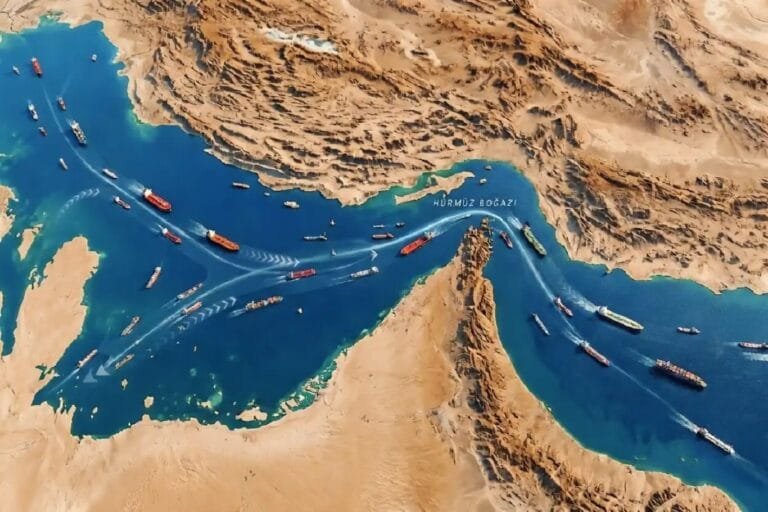
Tehran, Iran – The Strait of Hormuz saw limited transit of oil and gas tankers and cargo ships in recent hours. This coincided with the implementation of the memorandum of understanding between the United States and Iran, which aims to de-escalate tensions and prepare the vital waterway for a more regular resumption of trade.
Shipping data showed that transit volumes remain below pre-tension levels. In fact, traffic was limited to a small number of energy tankers and cargo ships. Additionally, there continues to be significant activity by vessels with ties to Iran, either operationally or in terms of destination.
According to the understandings reached, a temporary de-escalation phase has begun, including a partial cessation of military operations. This phase also includes gradual measures to restore security to the Strait of Hormuz, encompassing technical arrangements related to the safety of the waterway and the removal of potential hazards.
Despite the agreement’s implementation, shipping companies remain extremely cautious about the situation in the region. This caution stems from concerns about the fragility of the understandings and the potential for global energy traffic to be affected by any sudden developments.
This phase is seen as a true test of the resilience of the understanding between Washington and Tehran, given the strategic importance of the Strait of Hormuz for the flow of oil and gas supplies to global markets.