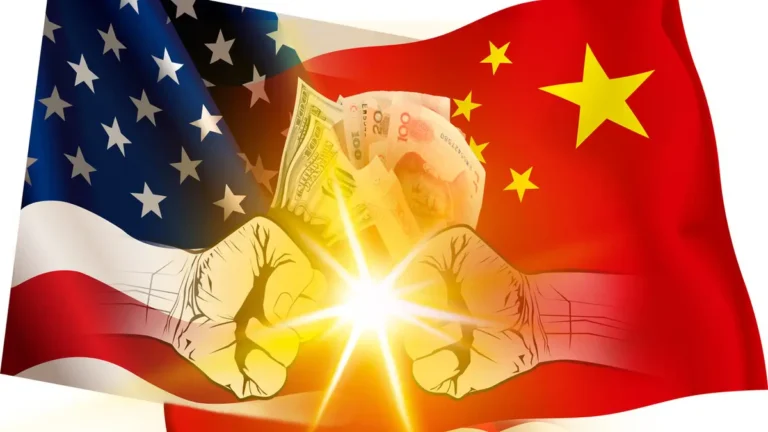
Washington, DC – In a preemptive move with significant political implications, the United States announced a new round of sanctions targeting Chinese and Hong Kong entities accused of supporting Iranian military programs.
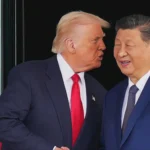
This move, announced by the US Treasury Department on May 8, places the issue of “Chinese support for Tehran” at the forefront of discussions, ahead of President Donald Trump’s anticipated visit to Beijing.
Targeting military supply chains
According to reports by Reuters and The New York Times, the sanctions list includes 10 entities, both companies and individuals.
Washington accuses this group of direct involvement in facilitating Tehran’s access to sensitive materials and advanced technologies used in the production of drones and ballistic missiles. According to the Treasury Department, these measures aim to cripple Iran’s defense industry supply chain and hinder the Iranian regime’s ability to procure components necessary for developing its air and missile arsenal. Washington considers these capabilities a direct threat to regional stability and US interests.
Entities under scrutiny: From Shanghai to Hong Kong
The sanctions list included specific companies, most notably Yoshita Shanghai International Trading Co., which was identified as an intermediary that helped Iran acquire Chinese weapons and equipment.
The sanctions also targeted Hi-Tech Insulation Co., suspected of supplying advanced insulating materials used exclusively in the manufacture of ballistic missile engines. The Treasury Department stated firmly, “We are prepared to continue taking economic measures targeting Iran’s defense industry base to prevent it from rebuilding its production capabilities,” hinting that the aviation sector and foreign companies facilitating illicit trade with Tehran would be the next targets.
Pressure on “teapot” oil
The sanctions were not limited to the military sphere; they extended to Iran’s economic lifeline.
The US Treasury Department issued a stern warning to international financial institutions linked to small, independent Chinese oil refineries, known as “teapot refineries.” Washington also threatened secondary sanctions against any institution facilitating trade in Iranian crude oil, in an attempt to cut off the funding sources that fuel Iran’s military ambitions.
Trump and Besant: Decisive Leadership
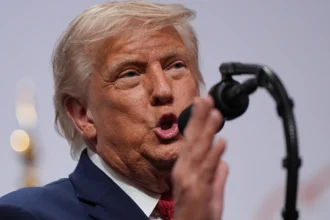
US Treasury Secretary Scott Besant confirmed that these actions are in line with the current administration’s vision, stating, “Under President Trump’s resolute leadership, the United States will continue to take strong action against foreign individuals and companies that supply the Iranian military with weapons.” Analysts believe the timing of these sanctions is intended to give President Trump additional leverage in his upcoming summit with the Chinese leadership. Washington seeks to force Beijing to choose between maintaining its trade relations with Tehran or preserving its stable economic ties with the United States.