Washington, DC – In a statement reflecting growing strategic concern, the US State Department expressed its dismay at the “dramatic” cuts made by Taiwan’s legislature to its defense budget. It described the move as a “gratuitous concession to the Chinese Communist Party.”
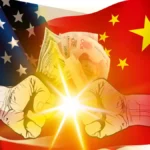
The warnings come just days before US President Donald Trump’s scheduled visit to Beijing. The president is set to hold a summit with Chinese President Xi Jinping.
Unnecessary delays and budget cuts
According to a Reuters report published on May 8, a State Department spokesperson stated that the passage of the defense budget bill after “unnecessary delays” was a positive step. However, the significant budget cuts are raising concerns in Washington.
The statement emphasized that “any further delay in implementing the remaining defense capabilities budget would constitute concessions to China.” As a result, this weakens Taipei’s military readiness in the face of growing threats.
The Taiwanese government had proposed a special defense budget of $40 billion (approximately 58.5 trillion won) to bolster its military arsenal. However, the opposition-controlled parliament approved only about two-thirds of the amount (36.5 trillion won) after complex deliberations and repeated obstruction.
Exclusion of local technology and “T-DOM” systems
What is controversial about the approved budget is its almost complete focus on purchasing American-made weapons, while excluding vital funding for domestic projects related to Taiwanese drones and missiles.
The Taiwanese Ministry of National Defense also expressed grave concern over the Legislative Council’s exclusion of a ballistic missile interceptor system, a cornerstone of the new air defense network known as T-Dome. This creates a defensive gap in the ability to counter potential missile attacks.
For its part, the Taiwanese opposition justifies its position by arguing that the government’s proposal lacks transparency and carries the risk of corruption. Nevertheless, the opposition maintains that increased military spending is essential.
Taiwan is on the table at the Trump-Xi summit.
All eyes are now on May 14 and 15, when President Trump will visit China. Beijing is demanding, in strong terms, that Washington halt arms sales to Taiwan, which it considers interference in its internal affairs.
The Taiwan issue is expected to be the cornerstone of the upcoming summit. The Trump administration is seeking to balance its support for Taipei, its most important arms supplier, while simultaneously hoping to reach major agreements with President Xi Jinping on trade and regional security issues.