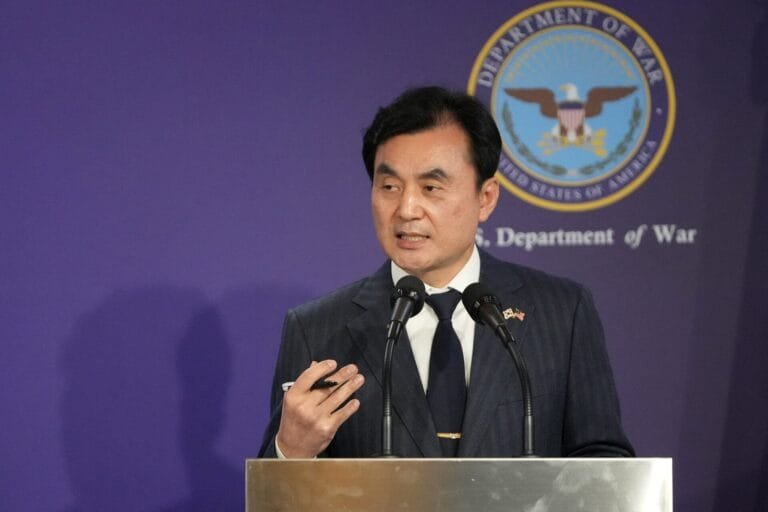
Seoul, South Korea – At a sensitive time reflecting the underlying tensions between Seoul and Washington, South Korean Defense Minister Ahn Kyu-baik is embarking on a surprise and unprecedented visit to the United States. This move comes in an attempt to defuse a growing number of diplomatic and military crises.
The trip, scheduled for May 10-14, marks Minister Ahn’s first official visit to Washington since assuming his post last July. It also comes amid fundamental disagreements that threaten the defense roadmap between the two allies.
A heavy agenda: operational control and nuclear submarines
Defense Minister Ahn is scheduled to meet with his U.S. counterpart, Secretary of Defense Pete Hegseth, on the 11th of this month.
According to sources at the Ministry of National Defense, the visit aims to review the implementation of agreements reached at the recent summit. However, the core of the talks will focus on two contentious issues: the transfer of wartime operational control (OPCON) and the stalled cooperation on nuclear-powered submarine construction. President Lee Jae-myung’s administration is striving to regain operational control by 2028, before the end of its term. However, the “perception gap” is widening; U.S. Forces Korea Commander Xavier Brunson recently suggested 2029 as a target date. This has angered Seoul, which views such a delay as an infringement on its national agenda.
Hormuz pressures and Trump’s displeasure
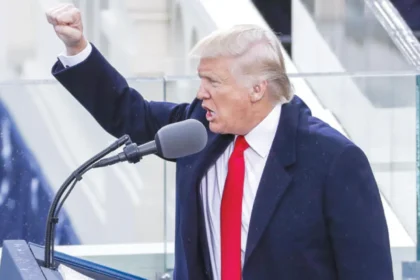
The visit also comes at a time when the South Korean government is facing increasing pressure from Washington to contribute to securing freedom of navigation in the Strait of Hormuz. Complicating matters further are recent statements by President Donald Trump, who has not only expressed dissatisfaction with the level of South Korean contribution but has also exaggerated the size of the US forces stationed there, claiming there are as many as 45,000 troops—a claim interpreted in Seoul as a pressure tactic to increase the joint defense bill. Furthermore, consultations regarding nuclear submarines have stalled due to the negative fallout from the Kuopang incident and US restrictions on sharing satellite intelligence concerning North Korean movements.
High-level move to break the deadlock
Concurrently with the minister’s visit, the two powers will hold the Korea Defense Dialogue (KIDD) at the vice-ministerial level on May 12 and 13. Observers believe that Minister Ahn’s insistence on holding separate meetings with the acting naval minister and the leaders of the Senate Armed Services Committee reflects Seoul’s understanding of the need for a political “turning point” that transcends technical committees.
These moves come amid a series of recent visits by senior South Korean officials to Washington. This suggests that the historic alliance is undergoing a critical “reset,” as Seoul seeks to secure its own defense independence without losing the American security umbrella. This comes at a time when the Trump administration is adopting a more assertive policy toward its allies.