Ankara, Turkey – Recent data released by the Turkish Statistical Institute (TÜİK) for February 2026 has raised concerns in economic circles. This comes after the release of data showing sharp fluctuations in the livestock, poultry, and dairy production sector.
Despite registering positive year-on-year growth, the sector is experiencing a significant decline in production rates on a monthly basis. This raises questions about the sustainability of growth in light of current challenges.
Poultry production: Annual growth met with monthly setbacks
Official figures revealed that chicken meat production reached 227,793 tons in February, while egg production totaled 1.82 billion eggs.
Comparing these figures to the same month last year shows an encouraging year-on-year increase, with egg production jumping by 17.6% and chicken meat production rising by 4.4%. However, this positive picture is contradicted when looking at the monthly trends. Chicken meat production fell by 4.6% compared to the previous month of January, and egg production declined by 4.3%, reflecting a sudden slowdown in activity on Turkish farms during the last month.
Milk Crisis Total
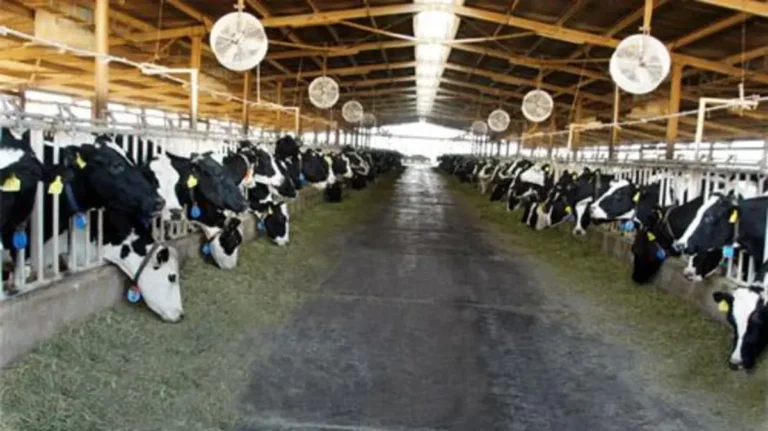
Regarding the dairy sector, data from the Institute of Statistics showed a 1.1% year-on-year decrease in the amount of cow’s milk collected by commercial dairy companies.
Collected quantities in February reached 887,774 tons, a sharp 6.1% drop compared to the previous month (January). Drinking milk production also saw a significant decline of 12.3%, reaching 138,131 tons.
Sales and transformational products paradox
Despite the decline in raw milk production, processed dairy products continue to see gains; yogurt production increased by 7.4% and buttermilk by 6.8%.
Analysts believe this discrepancy between the decrease in raw milk collection and the increase in processed dairy production may indicate pressure on inventories or a shift in manufacturing strategies to cope with rising production costs. This data presents the Turkish government and investors in the agricultural sector with a significant challenge. The shift from annual growth to monthly decline necessitates an urgent review of production inputs, feed costs, and energy prices to ensure the sector does not slip into a supply crisis that could directly impact food prices in domestic markets.