Washington – United States — The War of 1812 stands as one of the most profoundly influential conflicts in the geopolitical evolution of North America, despite often lacking the historical spotlight and cultural recognition granted to either the American Revolution or the subsequent American Civil War. This intense military confrontation between the nascent United States and the global British Empire marked a critical geopolitical turning point for the region, fundamentally molding distinctive political and national identities whose structural impacts remain highly visible and active to this day.
Roots of Conflict and the Incineration of Washington
The sparks of war ignited in June 1812 when the United States formally declared hostilities against Great Britain. This escalation was fueled by a sharp compounding of political and economic friction rooted in strict maritime trade blockades implemented by London during the wider Napoleonic Wars in Europe. It was further exacerbated by persistent American grievances accusing the British Royal Navy of unlawfully seizing American merchant sailors and impressing them into mandatory military service across the British fleet. The war-torn years witnessed fierce land and naval operations spanning the massive perimeter of the shared US-Canadian frontier. American units launched repeated forward incursions into Canadian territories—which were then under British colonial administration—only to encounter unyielding defense from British regular forces, local militias, and their indigenous tribal allies.
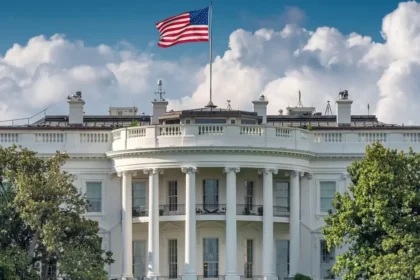
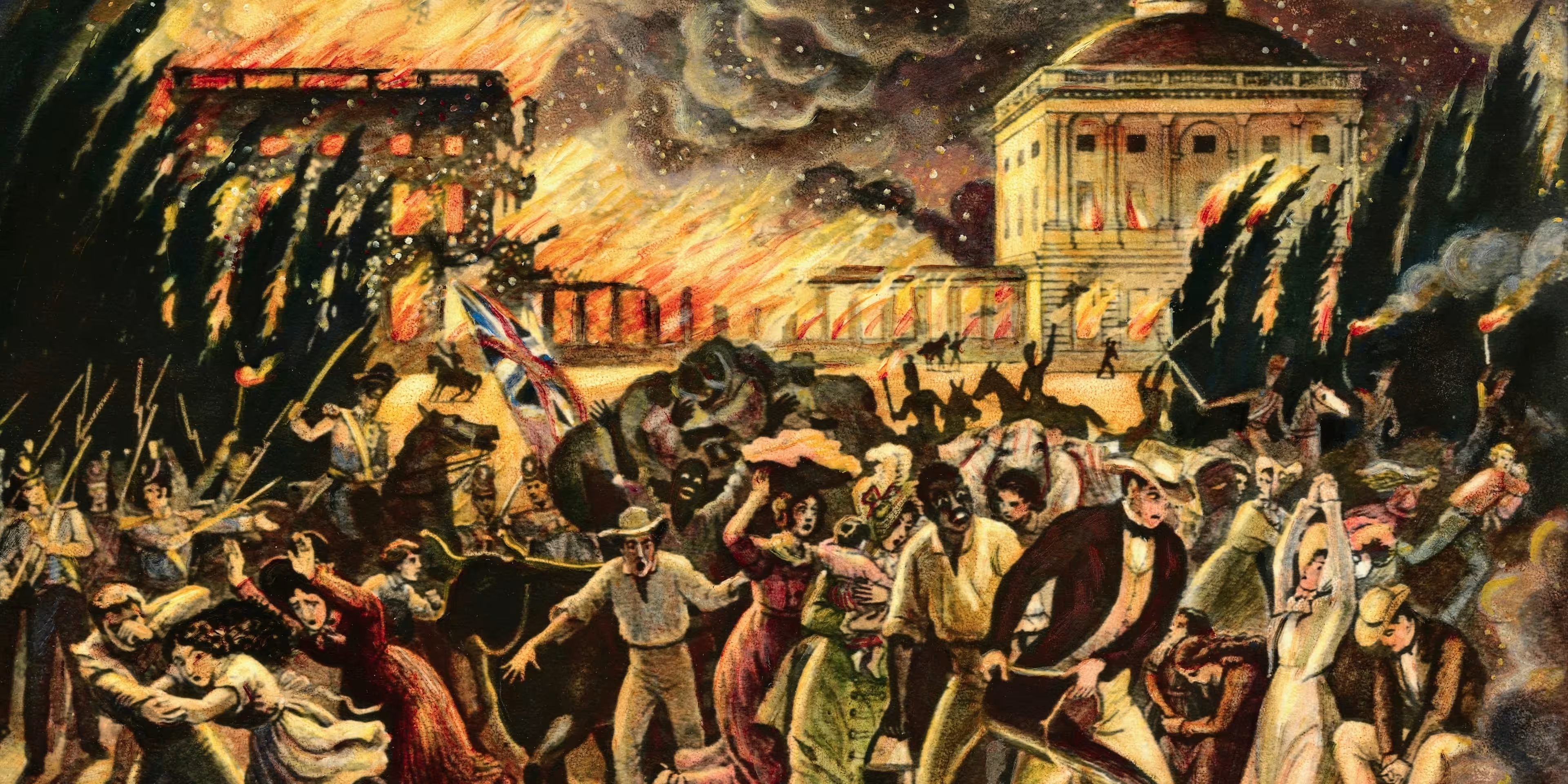
Among the most dramatic and shocking milestones of the conflict occurred in August 1814, when British forces executed a swift and aggressive assault targeting the American capital of Washington. British columns successfully penetrated the heart of the city and systematically set fire to vital, strategic government edifices, including the Capitol building and the White House, registering one of the most stunning and traumatic security challenges in early American history.
The Treaty of Ghent and the Consolidation of Modern Frontiers
Despite the immense human toll and material devastation sustained by both warring factions, the combat theater failed to yield a decisive or absolute military victory for either side on the ground. The armed friction officially drew to a close with the signing of the landmark “Treaty of Ghent” in December 1814. This diplomatic framework essentially established a status quo ante bellum, restoring all administrative boundaries to their pre-war coordinates without enacting any major territorial adjustments. However, the political, ideological, and psychological ramifications of the war resonated far deeper than the technical parameters of the treaty itself.
In the United States: The conflict triggered an unprecedented surge of national pride and civic cohesion, permanently embedding the concepts of absolute sovereign autonomy and final liberation from British geopolitical influence into the collective consciousness. The theater also served as a crucible for several high-profile military and political figures who achieved immense institutional prominence later on—most notably Andrew Jackson, who transformed into a towering national hero following his command over the historic victory at the Battle of New Orleans.
In Canada: The War of 1812 evolved into a foundational pillar of national memory and state-building architecture. A vast majority of contemporary historians classify the conflict as a definitive crucible that successfully unified and catalyzed a distinct Canadian identity, decisively halting systemic American aspirations to annex Canadian soil during that highly volatile epoch.
Impact on Indigenous Peoples: Conversely, the fallout of the war left a tragic and catastrophic imprint on the sovereign indigenous nations of North America. Upon the termination of hostilities and the onset of bilateral Western diplomacy, many native confederacies permanently lost Great Britain as their primary strategic and military ally. This shift triggered a severe structural decline in their collective political leverage and military deterrence, cascading into a swift and aggressive contraction of their ancestral lands over the following decades.
More than two centuries after the final artillery batteries fell silent, global historians and international relations experts continue to view the War of 1812 as a paramount turning point in continental history. It is scrutinized not merely for the tactical dimensions of its battles, but because it permanently calibrated the delicate balance of power that structured the modern layout of North America, engraving sovereign boundaries and national characters that have endured intact to the present era.