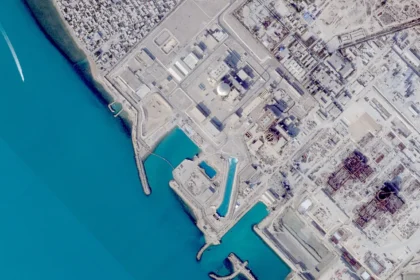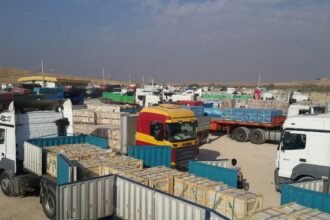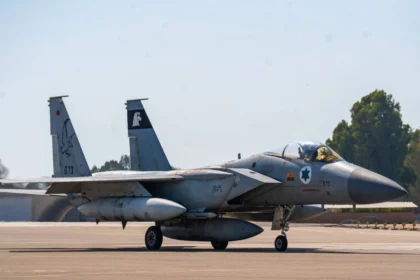
Basra, Iraq – Basra crude oil, both heavy and medium grades, closed last week with significant gains, driven by a strong rally in global energy markets. These gains occurred despite a partial halt in exports from Iraq’s southern oil fields, a consequence of escalating security concerns and heightened maritime tensions in the Strait of Hormuz. As a result, global supply chains have been thrown into unprecedented disarray.
Record numbers and gains
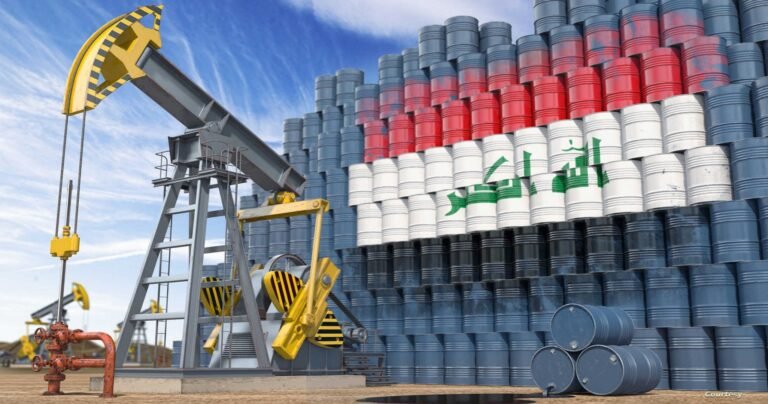
According to closing prices, Basra Heavy crude jumped $4.99 in the last session to reach $108.15 per barrel. It posted a total weekly gain of $3.05, or 2.29%. Similarly, Basra Medium crude saw a similar surge of $4.99 at the close, reaching $110.25 per barrel. It also recorded a weekly gain of $3.05, equivalent to a 2.85% increase. These figures reflect the price panic in international markets. Markets are on track to record their strongest weekly gains ever, amid growing concerns about a prolonged disruption to Gulf supplies.
Pricing mechanisms and global destinations
The Iraqi State Oil Marketing Company (SOMO) uses precise pricing formulas that vary depending on the final destination of the shipments. This explains the price variations compared to global indicators.
Asian markets: Pricing is based on the average price of Dubai and Oman crude oil.
European markets: Pricing is based on the benchmark Brent crude, with the addition of price premiums or discounts imposed by current competitive conditions.
US market: Exports depend on the US crude oil index “West Texas Intermediate” (WTI).
Repercussions of geopolitical tension
Economic analysts believe the current price surge is not solely due to increased demand. It is a direct consequence of disruptions to vital waterways, particularly the Strait of Hormuz, leading to a shortage of immediate supply.
Iraq faces a dual challenge: while it benefits from higher prices to maximize its revenues, it encounters logistical difficulties in securing access to global markets. These difficulties are exacerbated by the security threats surrounding its southern oil fields and export terminals. Consequently, the 2026 budget faces rapidly evolving circumstances that necessitate highly flexible management and proactive planning.