Dakar, Senegal – The Senegalese government has announced severe austerity measures to address the severe economic fallout from soaring global energy prices. This comes in the wake of escalating tensions between the United States and Israel on one side, and Iran on the other.
In a move reflecting the depth of the crisis, Dakar has suspended all non-essential foreign travel for ministers and senior government officials. It also warned that the country is facing “extremely difficult” times ahead.
Budget assumptions collapse
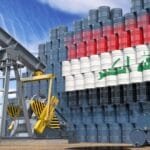
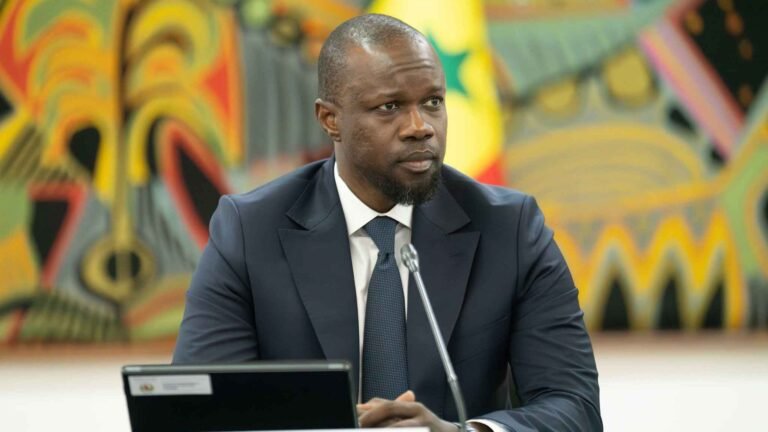
In a frank address to a youth event in the coastal city of Mbour, Senegalese Prime Minister Ousmane Sonko revealed a massive gap in the country’s finances. The global price of a barrel of oil has surged to nearly $115, almost double the $62 per barrel price upon which Senegal’s budget was based. Sonko emphasized the seriousness of the new approach, stating, “No minister in my government will leave the country unless the mission is essential and directly related to urgent national needs.” The Prime Minister also revealed that he had set an example by canceling previously scheduled official trips to Niger, Spain, and France. This was part of a policy of “controlling expenditures” to address the growing deficit.
Alert in West Africa
Senegal is not alone in this crisis; governments across West Africa and the world have rushed to implement emergency measures, including raising domestic fuel prices. They have also provided limited support packages and implemented remote work systems to reduce energy consumption. The current price shock is straining the region’s already fragile finances, threatening unprecedented waves of inflation.
Additional measures are expected
Sonko indicated that the government will announce an additional package of austerity measures next week. The Minister of Energy and Mines is expected to address the nation in the coming days, outlining the technical plans and efforts undertaken to mitigate the impact of price shocks on citizens and productive sectors. These moves come amid close monitoring of international markets. Meanwhile, Senegal’s public finances remain hostage to the continuation and expansion of the geopolitical conflict in the Middle East.