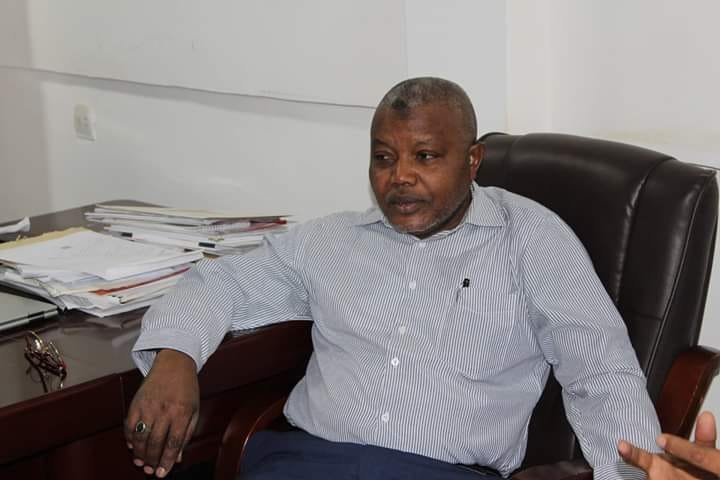
Khartoum, Sudan – Statements by prominent Sudanese Islamic Movement (Muslim Brotherhood) leader, Haj Majid Suwar, have sparked a wave of international controversy and concern after he publicly called on army leaders to use “lethal force” decisively in the ongoing conflict against the Rapid Support Forces, describing the confrontation as a “battle for dignity.”
Sensitive timing and structural changes
Suwar’s statements, published on his official Facebook page, came in the wake of the bold decisions issued by the Commander-in-Chief of the Army, Abdel Fattah al-Burhan, in early April 2026, which restructured the General Staff and appointed Lieutenant General Yasser al-Atta as its head.
Suwar is a prominent figure in the regime of ousted President Omar al-Bashir, having held several security and ministerial positions, most recently as Minister of Youth and Sports and Sudan’s ambassador to Libya.
The specter of “chemical weapons” looms again
The term “lethal force” is linked in Sudanese political and military memory to statements made by Lieutenant General Yasser al-Atta at the end of 2023, when he vowed to use “the maximum amount of lethal force permitted.”
This statement then, as now, sparked accusations and international reports directly linking it to the use of internationally prohibited chemical weapons, such as chlorine gas, in conflict zones. According to reports from human rights organizations like Human Rights Watch, allegations of chemical weapons use in Sudanese battles have been previously documented—accusations the Sudanese army has repeatedly denied, dismissing them as a systematic smear campaign.
However, the renewal of these calls by an Islamist leader of al-Swar’s stature, coinciding with al-Atta’s appointment as Chief of Staff, reinforces fears that the war is escalating to unprecedented levels of internationally prohibited violence.
Angry reactions and legal warnings
Suwar’s call was met with widespread condemnation from civil society and human rights groups, who considered the statement an explicit incitement to commit war crimes and genocide.
Observers warned that such statements exacerbate political and sectarian polarization and place Sudan in direct confrontation with the international community, especially since Sudan is a signatory to the Chemical Weapons Convention.
These developments come at a time when Sudan has been experiencing bloody tensions since April 2023, making any suggestion of using unconventional weapons potentially igniting a wider regional war and eliminating any chance of a peaceful resolution to the escalating Sudanese crisis.