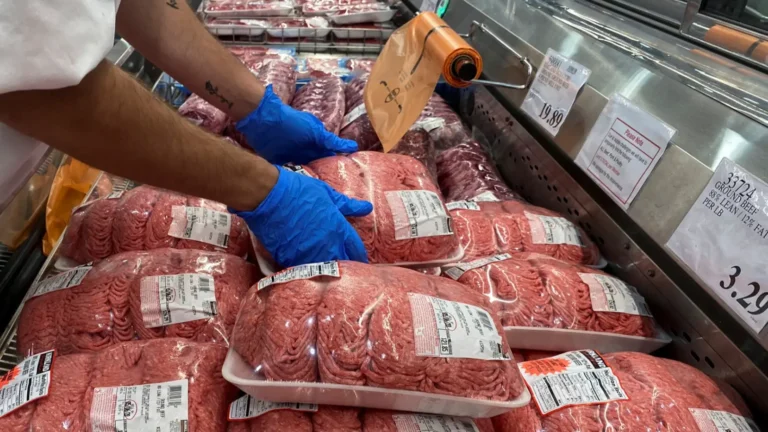
Buenos Aires, Argentina – Argentina is experiencing a significant shift in food consumption patterns, with red meat consumption recording its largest decline in nearly two decades. This drop reflects the growing economic pressures and the impact of inflation and rising prices on citizens’ lives.
Economic data and reports show that average per capita beef consumption has decreased significantly compared to the levels the country has been accustomed to in recent years. Experts consider this development unusual in a country that has long been associated with meat culture and traditional barbecues. These celebrations are also considered part of the social identity of Argentinians.
This decline comes amidst a continued surge in food and meat prices. Simultaneously, household purchasing power has dwindled, prompting large segments of the population to reprioritize their spending and reduce their purchases of more expensive products.
The economic situation has also driven many families to seek more affordable alternatives, such as poultry and other products. In doing so, these families are attempting to cope with the ongoing price hikes and alleviate their daily living expenses.
Observers believe that continued economic pressures could lead to broader changes in consumption habits within Argentina in the coming period. This is particularly likely if high inflation rates persist and continue to impact citizens’ income and spending levels. Such a situation could impose a new reality on one of the world’s leading meat-consuming and exporting nations.