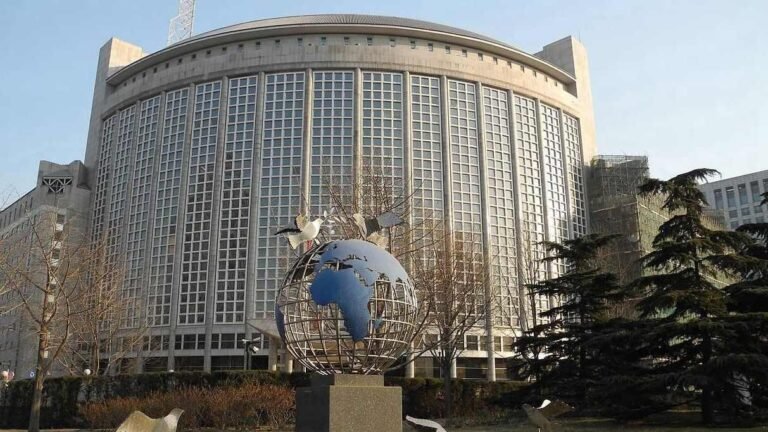
Beijing, China – The Chinese Foreign Ministry announced that Pakistani Prime Minister Shehbaz Sharif will pay an official visit to Beijing from May 23 to 26.
This visit carries exceptional political and strategic weight, coming just three days after separate summits held recently in China between the leaders of the United States and Russia. This development places Beijing at the forefront of global diplomatic efforts aimed at reshaping international balances and defusing current crises.
Extended diplomatic efforts to reduce tensions
Sharif’s diplomatic visit complements Islamabad’s intensified outreach to its Chinese ally. Pakistani Foreign Minister Mohammad Ishaq Dar traveled to Beijing in late March for strategic talks amidst concerted regional and international efforts by various parties to de-escalate tensions in the Middle East and avert direct confrontation.
Pakistan has intensified its extraordinary diplomatic efforts in recent days. It is leveraging its balanced relationships to play the role of a leading regional mediator, seeking to accelerate the indirect peace talks between the United States and Iran. It is also attempting to defuse the complex military crisis looming over the region.
Tensions are high in Tehran, and Trump has issued a firm warning.
Meanwhile, the political scene is racing against time, oscillating between the language of negotiation and the threat of war. The Iranian capital, Tehran, announced that it is currently reviewing and studying the new responses and observations it received from Washington through back channels.
In contrast, US President Donald Trump left the door slightly ajar for political solutions. He also stated that he might wait a few more days to receive what he called “the right and complete answers” from the Iranian leadership.
However, Trump accompanied his temporary diplomatic flexibility with a strongly worded and decisive warning. He affirmed that the US administration and its military forces were prepared to resume strikes and attacks on vital facilities and targets in Iran. This would only occur if these consultations failed to produce a comprehensive and final peace agreement that met US expectations.