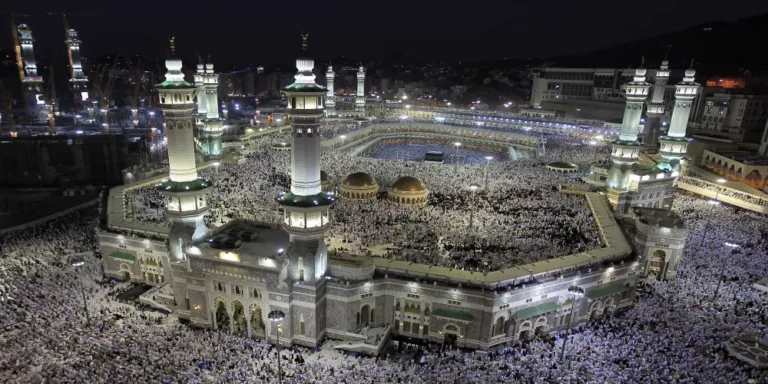
Mecca, Saudi Arabia – As millions of Muslims flock to the holy sites to perform Hajj, adhering to health guidelines is becoming increasingly important to avoid complications or risks that may arise from overcrowding, high temperatures, and physical exertion.
Doctors and public health experts emphasize that the most significant health challenges during Hajj season are heat exhaustion, sunstroke, and dehydration. Additionally, there is a risk of respiratory infections in large gatherings. Therefore, continuous preventative awareness is essential throughout the pilgrimage.
Experts advise drinking plenty of water and fluids regularly, even if you don’t feel thirsty, and avoiding direct sun exposure during peak hours. They also recommend using umbrellas and hats to mitigate the effects of the high temperatures.
Furthermore, experts emphasize the importance of wearing masks in crowded places. In addition, they stress the need to maintain personal hygiene and wash hands frequently, especially before eating and after touching public surfaces, to reduce the spread of viruses and bacteria.
Pilgrims are also advised to get sufficient rest between rituals and avoid excessive exertion, especially the elderly and those with chronic illnesses. Furthermore, they should carry their personal medications and take them as prescribed.
If any symptoms such as dizziness, severe headache, or shortness of breath appear, doctors advise going immediately to the nearest health center within the holy sites to receive the necessary care. This is essential to avoid any complications that could develop rapidly under the prevailing weather conditions and large crowds.