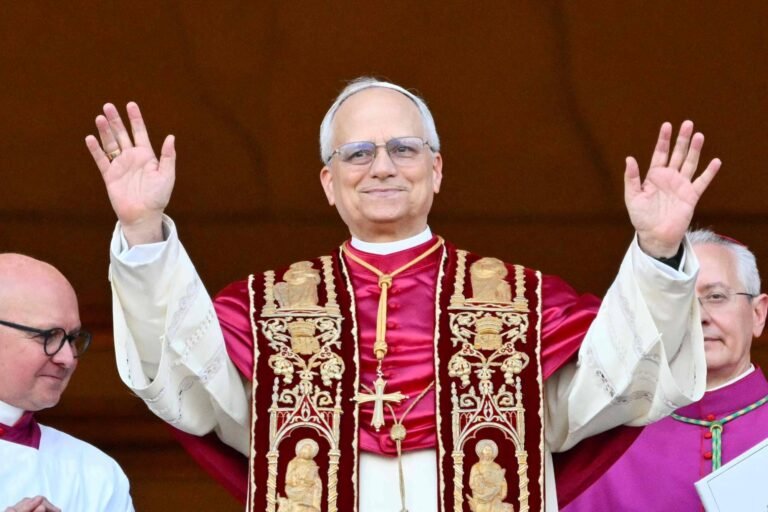
Vatican City – In a move described as a radical shift in the Catholic Church’s trajectory and a correction of its historical course, Pope Leo XIV offered a formal and historic apology on Monday for the Holy See’s role in legitimizing slavery. He also acknowledged the institutional failure to condemn it for centuries.
Acknowledging a “wound in the memory of Christianity”
In his first papal encyclical, entitled “Homo Fauves” (The Sublime Humanity), Pope Leo XIV described the Vatican’s record on this issue as “a deep wound in the memory of Christianity.” He also emphasized that the silence regarding these practices was not merely negligence, but a complacency contrary to the human and spiritual values that the Church advocates.
Going beyond the limits of previous apologies
This initiative is exceptionally significant because it goes beyond the apologies offered by previous popes. Those popes’ apologies were limited to the general involvement of Christians in the transatlantic slave trade.
For the first time in the history of the Holy See, the Pope is publicly acknowledging the direct role of previous popes in granting European rulers explicit authority to subjugate and enslave “infidels.” This provided legal and moral cover for inhumane practices that persisted for centuries.
Symbolic and personal dimensions of the Pope
This apology carries profound personal and symbolic significance, as Pope Leo XIV is the first pope in Vatican history to have been born in the United States. He also revealed in his remarks that his family history is intricately intertwined with this dark period, as his family roots include both victims of slavery and slave owners. Therefore, his stance today lends a human and moral dimension, stemming from a deeply rooted historical and social experience.
The Pope’s move was met with widespread international reactions, with observers and historians and theologians considering it a courageous attempt by the Vatican leadership to confront the Church’s colonial legacy and atone for past wrongs. This initiative comes at a time of increasing global pressure for historical justice. With this stance, Pope Leo XIV seeks to turn the page on a painful chapter. He also calls for a new vision based on human dignity and inherent rights, a step aimed at restoring the essence of the Christian message in a world seeking reconciliation with its history.