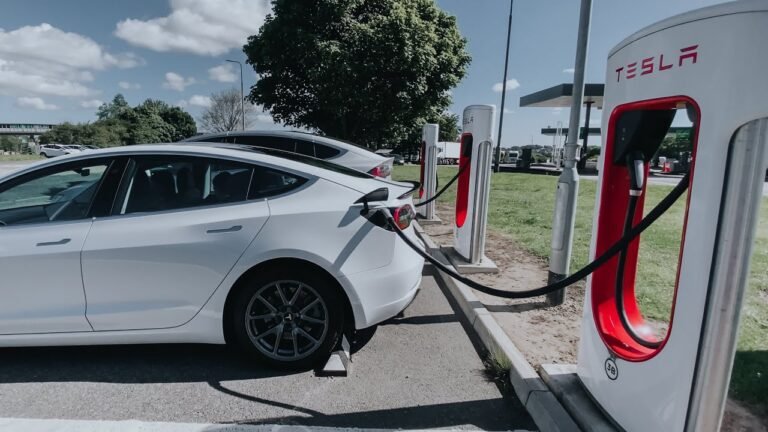
Austin – In a strategic pivot aimed at reclaiming its luster, Tesla has begun reshaping its marketing plan by offering unconventional “service-based” incentives, most notably the return of free Supercharging for selected models like the “Model 3 Premium” and “Performance.” This move comes as an alternative to the direct price-cut policy the company previously followed, which sparked concerns over depreciating resale values. By doubling down on this bet, Tesla aims to provide long-term added value, attracting those hesitant to adopt EVs due to energy cost concerns, especially after several models lost federal tax credit eligibility earlier this year.
“One Year of Free Charging”: How Is Tesla Protecting Its Brand Prestige?
Instead of slashing the MSRP, Tesla launched an offer giving new buyers 12 months of complimentary Supercharging, potentially saving customers between $800 and $1,500 annually depending on usage. Obviously, this is a “sophisticated” strategy as it keeps the official vehicle price stable against competitors while giving the customer a sense of continuous savings. As a result, analysts believe this offer primarily targets “apartment dwellers” and those without home charging access, making Tesla’s fast-charging network a competitive advantage that traditional or rising Chinese rivals cannot easily match.
The Cost of “Free”: Can the Charging Network Handle the 2026 Surge?
Despite the offer’s appeal, Tesla faces a genuine challenge regarding the network’s capacity to absorb increased demand, especially as stations open up to non-Tesla EVs. Accordingly, the company announced an increase in capital expenditure (CapEx) to exceed $25 billion in 2026 to expand infrastructure. Amid fierce competition, the question remains: does the customer prefer “upfront savings” or the “peace of mind” of free charging? The answer will define the EV market dominance in the second half of this year, in a battle no longer just about horsepower, but the “complete experience” from the steering wheel to the charging plug.