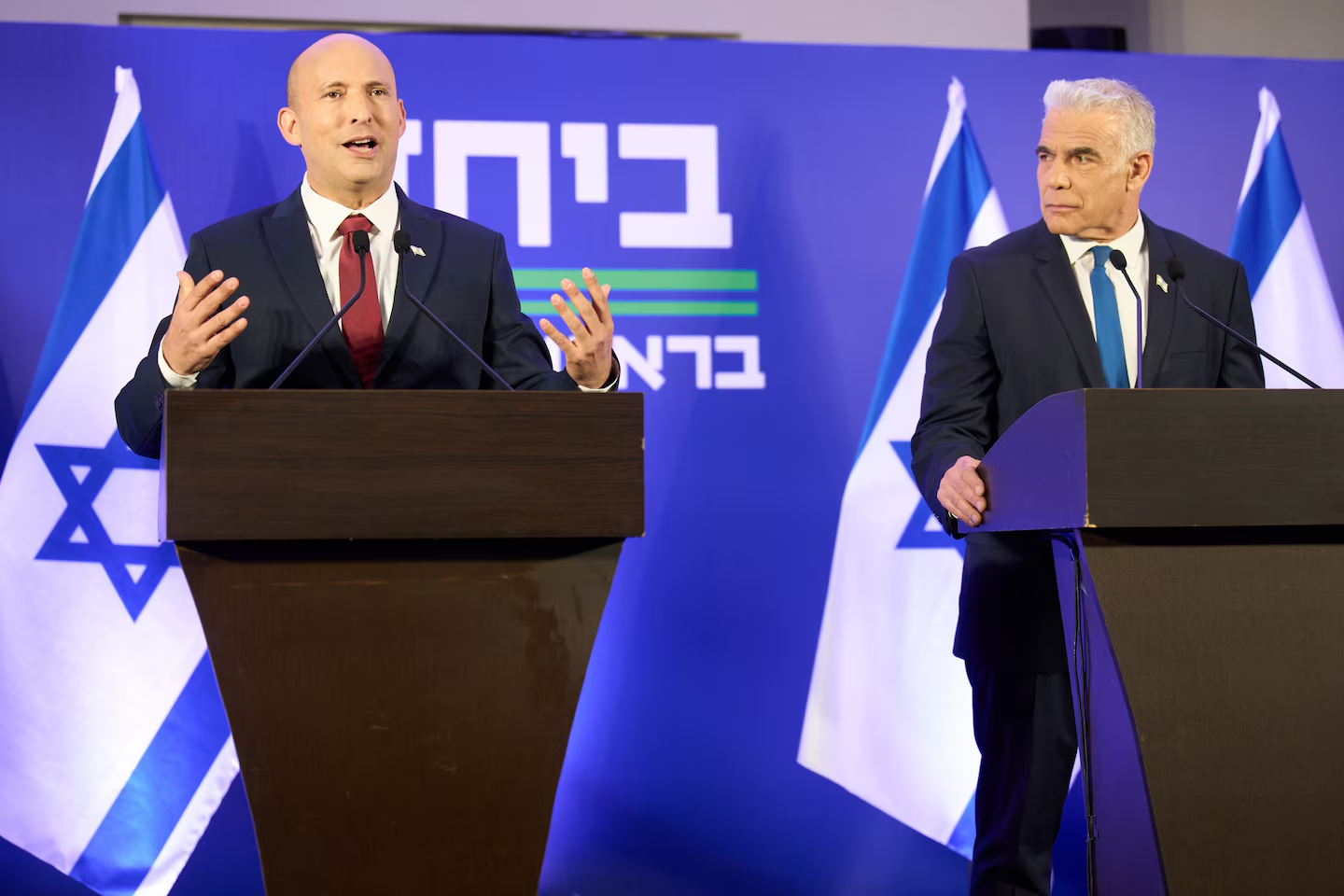
Jerusalem – In a move described as the strongest consolidation of opposition ranks, Opposition Leader Yair Lapid and former Prime Minister Naftali Bennett announced the merger of their parties into a new electoral alliance called “Be-Yachad” (Together) for the upcoming October 2026 legislative elections. During a joint press conference in Herzliya, Lapid emphasized that this alliance is a “Zionist and patriotic act” to save Israel from division, noting that Bennett will lead the ticket during this critical stage. This merger aims to end the fragmentation of the centrist and liberal-right bloc, focusing all efforts on ousting Prime Minister Benjamin Netanyahu and his government—the most right-wing in the country’s history.
Structural Reforms and Haredi Conscription: Core Pillars of the “Be-Yachad” Agenda
The Bennett-Lapid alliance seeks to implement an ambitious reform agenda, prioritized by fighting corruption, lowering the cost of living, and mandating Haredi conscription into the military—an issue currently threatening the stability of Netanyahu’s coalition. Obviously, Bennett, who leads the alliance, is betting on his ability to attract both right-wing and centrist voters, especially with his proposal to limit the prime minister’s tenure to eight years. As a result, early polls suggest that the “Be-Yachad” party could secure over 38 seats if joined by Gadi Eisenkot, making it the largest faction in the next Knesset.
“Cards on the Table”: Netanyahu Prepares for Confrontation as Elections Approach
Despite mounting pressure, Benjamin Netanyahu is preparing for battle at the head of the Likud party, relying on his solid base of right-wing and religious parties. Accordingly, analysts believe the October 2026 elections will not be just a routine cycle but a “referendum” on Netanyahu’s survival in power after more than 18 years of rule. Amid broad welcome from opposition leaders like Avigdor Liberman and Yair Golan for this merger, Israel’s political scene appears headed toward sharp binary polarization, where the battle is no longer just about ideology, but about a “radical change” in the governing system.