Abuja, Nigeria – The West African region, especially Nigeria, has become an attractive destination for Mexican drug gangs seeking to move the bases for the production and manufacture of illicit narcotic substances outside Latin America, amid security and international warnings of the expansion of the global synthetic drug trade.
Federal court inside Gabe’s lab
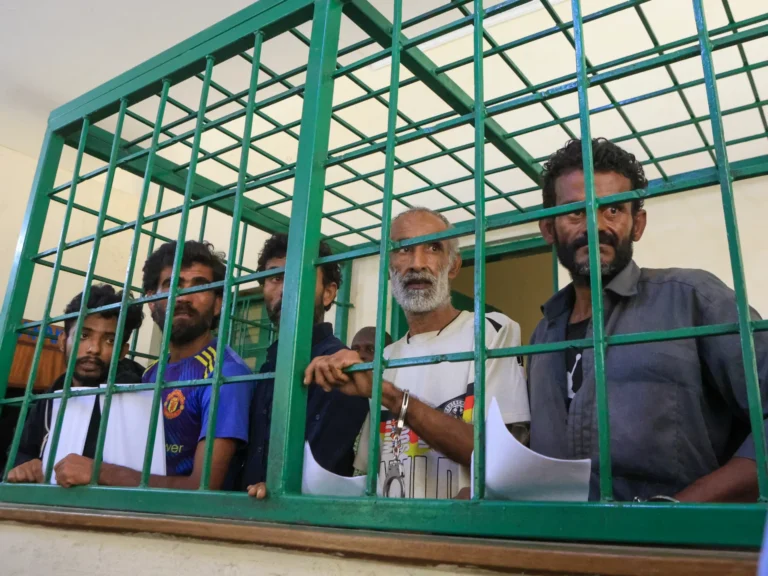
In a non-confrontational legal move, Nigeria’s Supreme Court held a hearing inside a clandestine drug lab hidden deep in a dense jungle two hours’ drive from Lagos. Three Mexicans and seven Nigerians appeared in handcuffs before Judge Musa Kakaki as chemicals and equipment used to produce methamphetamine, known locally as “ice,” were examined. The hearing documented the scale of the massive operation uncovered by the National Drug Law Enforcement Agency (NDLEA) last May, which resulted in the seizure of more than two tons of the drug, worth nearly $360 million, marking the largest methamphetamine bust in the country’s history. Further raids followed in neighboring states.
The role of Mexican specialists and crime networks
These raids underscore Africa’s expanding role as a production base, not just a trafficking hub. The production of synthetic drugs often relies on Mexican experts known as “chefs” to create the purest and most potent version of methamphetamine. According to U.S. Africa Command (AFRICOM), since 2023, the continent has seen 14 Mexican-run labs raided, most recently in Nigeria. These operations are linked to major Mexican cartels, such as the Sinaloa Cartel and the New Jalisco General Cartel, amid reports of overlapping interests and funding flows between drug cartels and armed groups in the region.
Motives for geographic expansion and health risks
West Africa attracts drug gangs thanks to its vast expanses and isolated forests, as well as its abundance of cheap labor and large local market among young people. However, experts warn of the serious health risks associated with methamphetamine use, including cardiovascular disease, severe malnutrition, and psychological trauma. Gangs also seek to exploit Africa’s geographic location to shorten supply lines to major consumer markets in Europe and Asia, and to circumvent the strict controls imposed on traditional smuggling routes.
Security confrontation strategies
Nigerian authorities, with intelligence support from international networks, most notably AFRICOM, continue to track down criminal networks and intensify preemptive raids. The Nigerian Anti-Narcotics Agency (NANA) affirms that these challenges necessitate constant vigilance from security forces to ensure that Nigeria will never again be a safe haven for international drug cartels.