Sign In
Wednesday, Jun 24, 2026
  • العربية
Top Header VOE Logo Header Dark Mode VOE Logo
  • Latest
  • Emirates
  • News
    • Gulf Countries
    • Arab Countries
    • World
  • Politics
    • Analysis
    • Interviews
    • Reports and investigations
  • Business
    • Companies
    • Real Estate
    • Stock Market
    • Green Energy
    • Oil And Gas
    • Bitcoin
    • Business Reports
  • Science and Tech
    • AI
    • Electric Vehicles
    • Space and Mars
  • Sport
    • World Cup 2026
  • Society
  • Health
  • Lifestyle
  • Travel and Hotels
Reading: Iran and the fees for crossing the Strait of Hormuz: a wide-ranging legal and economic debate and mixed international reactions
Share
Latest
The Pentagon warns: China’s KJ-3000 drone threatens US air superiority
Accelerated growth.. Abu Dhabi Ports increases its ownership in Global Feder Shipping to 81%
Wes Moore secures the Democratic nomination for a second term in Maryland
A federal appeals court upholds Trump’s policy of expedited deportation of immigrants
Historic numbers on a night of Ghana’s resilience: England stumbles negatively in the 2026 World Cup
Font ResizerAa
Voice Of EmiratesVoice Of Emirates
  • العربية
  • Latest News
Search
  • News
    • Emirates
    • Gulf Countries
    • Arab Countries
    • World
  • Politics
    • Analysis
    • Interviews
    • Reports and investigations
  • Business
    • Companies
    • Real Estate
    • Stock Market
    • Green Energy
    • Oil And Gas
    • Bitcoin
    • Business Reports
  • Science and Tech
    • AI
    • Electric Vehicles
    • Space and Mars
  • Lifestyle
  • Society
  • Sport
    • World Cup 2026
  • Health
  • Travel and Hotels
Have an existing account? Sign In
Follow US
All rights reserved © Voice of Emirates - News service from Our Media Group
Reports and investigations

Iran and the fees for crossing the Strait of Hormuz: a wide-ranging legal and economic debate and mixed international reactions

Iran: The repercussions of imposing shipping fees in the Strait of Hormuz

Mohammed El-qaradawi
Last updated: 23/06/2026 8:47 am
Mohammed Elkaradawy
Mohammed El-qaradawi
ByMohammed Elkaradawy
News Editor
محمد القرضاوي، محرر في وكالة أنباء صوت الإمارات، مكتب القاهرة، وهو صحفي محترف وعضو نقابة الصحفيين المصريين، يتمتع بخبرة واسعة في تغطية ملفات الأمن القومي والتحقيقات...
Follow:
- News Editor
1 day ago
Share
5 Min Read
Iran and the fees for crossing the Strait of Hormuz: a wide-ranging legal and economic debate and mixed international reactions
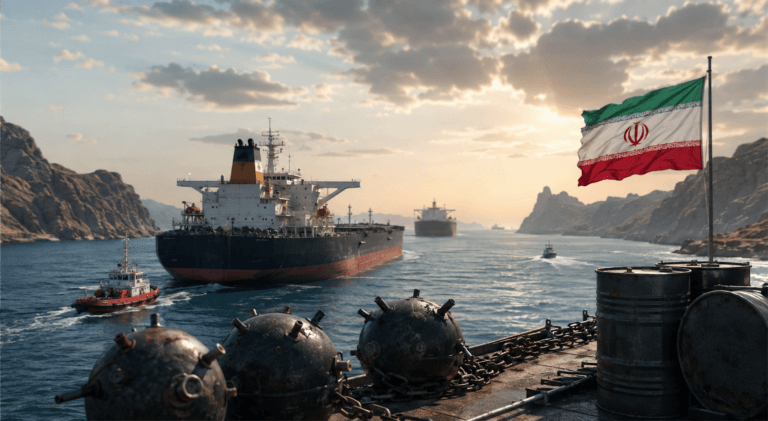
Hormuz crossing fees (Photo/Archive)
SHARE
Highlights
  • Iran: Fees for security and regulatory services
  • Western objections and legal skepticism
  • Concern in shipping and energy markets
  • The future of the Iranian initiative
  • Global controversy over the shift in security threats in the Strait of Hormuz

Tehran, Iran – Iran’s announcement of plans to regulate maritime traffic in the Strait of Hormuz through a mechanism that includes imposing fees linked to transit services and maritime security has sparked widespread controversy in international political and economic circles. This comes amid concerns about the repercussions of the move on global oil trade, energy prices, and maritime shipping.

The Strait of Hormuz is one of the world’s most strategically important waterways, through which a significant proportion of oil and gas exports from the Gulf region pass to global markets. For this reason, any changes in transit mechanisms or shipping costs are always closely monitored by governments, companies, and international financial institutions.

Iran: Fees for security and regulatory services

Iranian authorities maintain that the proposed fees are not intended to disrupt freedom of navigation, but rather to provide regulatory and security services for transiting vessels. These services include maritime traffic management and enhanced safety measures in the region, which has witnessed frequent military and security tensions in recent years. Iranian officials have asserted that the proposed fees are linked to the costs of operating and managing the waterway. At the same time, they indicated that Tehran has temporarily suspended their implementation while consultations continue with international parties regarding the future of navigation in the Strait.

Western objections and legal skepticism

In contrast, the Iranian move has drawn criticism from the United States and several Western countries, which consider the Strait of Hormuz a vital international waterway governed by international maritime regulations. These countries assert that imposing mandatory fees on commercial vessels could raise legal questions concerning freedom of navigation in international straits. Maritime law experts maintain that any permanent transit fee system requires broad international consensus, particularly given the strait’s strategic importance to the global economy and international supply chains.

Concern in shipping and energy markets

International shipping and insurance companies have expressed concerns about increased operating costs if the fees are permanently implemented. These companies also warned that any additional burden on shipping could impact maritime transport and insurance rates, and consequently, oil, gas, and commodity prices in global markets. Furthermore, economic analysts have cautioned that continued uncertainty surrounding the future of navigation in the Strait of Hormuz could lead to volatility in energy markets. This is particularly concerning given the reliance of many industrialized and emerging nations on oil supplies from the Gulf region.

The future of the Iranian initiative

Analysts believe that the prospects for implementing a permanent toll system in the Strait of Hormuz will remain contingent on the outcome of ongoing political and legal negotiations, and the extent to which the international community accepts any new arrangements concerning one of the world’s most vital waterways. Meanwhile, Iran maintains that its objective is to regulate navigation and enhance maritime security. International actors, however, consider preserving freedom of navigation in the Strait of Hormuz a strategic priority for ensuring the stability of global energy markets and trade.

Global controversy over the shift in security threats in the Strait of Hormuz

The controversy over the proposed fees comes at a time when security concerns continue to cast a shadow over shipping traffic in the Strait of Hormuz. In recent times, Western reports during times of tension have raised questions about the dangers of sea mines and the threats that may face commercial ships in one of the most important waterways for global energy transport.

Observers believe that Iran is seeking to exploit these security challenges to justify a larger role in managing and securing maritime traffic through the Strait of Hormuz by offering regulatory and security services accompanied by fees. Tehran considers this a contribution to protecting ships and ensuring safe passage. Conversely, critics of the initiative argue that linking security threats to transit fees could grant Iran additional leverage over international trade, especially given the strategic importance of the Strait of Hormuz, through which a significant percentage of global oil and gas exports pass.

TAGGED:AmericaEuropeIranIsraelStrait of HormuzThe Middle EastUSVoice Of EmiratesVoice Of Emirates Website News
SOURCES:Voice of Emirates Newswires
Share This Article
Facebook Whatsapp Whatsapp LinkedIn Telegram Threads Email Copy Link Print
Previous Article Haaland leads Norway to the round of 32.. and Senegal is close to saying goodbye to the World Cup (video) Haaland leads Norway to the round of 32.. and Senegal is close to saying goodbye to the World Cup (video)
Next Article Breaking | Nadir Benbouali leads Algeria to a draw against Jordan in the 2026 World Cup Breaking | Nadir Benbouali leads Algeria to a draw against Jordan in the 2026 World Cup
38°C
Dubai
clear sky
38° _ 38°
40%
6 km/h
Wed
38 °C
Thu
36 °C
Fri
34 °C
Sat
34 °C
Sun
36 °C

Editor's Pick

The Pentagon warns: China's KJ-3000 drone threatens US air superiority

The Pentagon warns: China’s KJ-3000 drone threatens US air superiority

The Pentagon faces off against China's massive Y-20B aircraft.

By
Ali Ragab
3 Min Read
Accelerated growth.. Abu Dhabi Ports increases its ownership in Global Feder Shipping to 81%

In February 2024, the group completed the acquisition of a 51% stake…

5 Min Read
Wes Moore secures the Democratic nomination for a second term in Maryland

America: Maryland primary election results

3 Min Read

Trending

A federal appeals court upholds Trump's policy of expedited deportation of immigrants

A federal appeals court upholds Trump’s policy of expedited deportation of immigrants

America faces controversy over the expedited deportation of immigrants.

42 minutes ago

Historic numbers on a night of Ghana’s resilience: England stumbles negatively in the 2026 World Cup

Ghana: England match in the 2026…

58 minutes ago

UAE weather.. Expected rain and temperatures reaching 46 degrees

Winds are light to moderate in…

1 hour ago

America prepares for “drone wars”: A radical shift in Pentagon maneuvers

America is preparing to face the…

1 hour ago

Due to “consumer exploitation,” Trump opens an investigation against major oil companies

Oil and the impact of fuel…

1 hour ago

You may also be interested in

Trump predicts a sharp drop in energy prices and sends reassuring messages to markets
BusinessOil And Gas

Trump predicts a sharp drop in energy prices and sends reassuring messages to markets

Washington, DC – US President Donald Trump predicted a significant drop in oil prices in the coming days. He also…

2 Min Read
Pakistan affirms the right of nations to develop their defense capabilities and defends Iran's missile program
PoliticsReports and investigations

Pakistan affirms the right of nations to develop their defense capabilities and defends Iran’s missile program

Islamabad, Pakistan – Pakistan has affirmed Iran's right to possess ballistic missiles within the framework of its national defense capabilities.…

2 Min Read
Britain postpones major financial decisions until the race for prime minister is decided
PoliticsReports and investigations

Britain postpones major financial decisions until the race for prime minister is decided

London, England – The British government has announced it will not make any new financial commitments or long-term spending decisions…

2 Min Read
The United Nations is sounding the alarm about the environmental footprint of artificial intelligence
NewsWorld

The United Nations is sounding the alarm about the environmental footprint of artificial intelligence

New York, USA – UN Secretary-General António Guterres warned of the growing environmental impacts of the rapid expansion of artificial…

2 Min Read
Top Header VOE Logo Header Dark Mode VOE Logo
  • About Us
  • Contact us
  • Advertise on Voice Of Emirates
  • Privacy Policy
Reading: Iran and the fees for crossing the Strait of Hormuz: a wide-ranging legal and economic debate and mixed international reactions
Share
  • Publishing Principles
  • Ethics Policy
  • Corrections Policy
  • Diversity Policy
  • Actionable Feedback Policy
  • Ownership & Funding
  • Privacy Policy
Reading: Iran and the fees for crossing the Strait of Hormuz: a wide-ranging legal and economic debate and mixed international reactions
Share

All rights reserved © Voice Of Emirates – a news service from Our Media Group

Welcome Back!

Sign in to your account

Username or Email Address
Password

Lost your password?