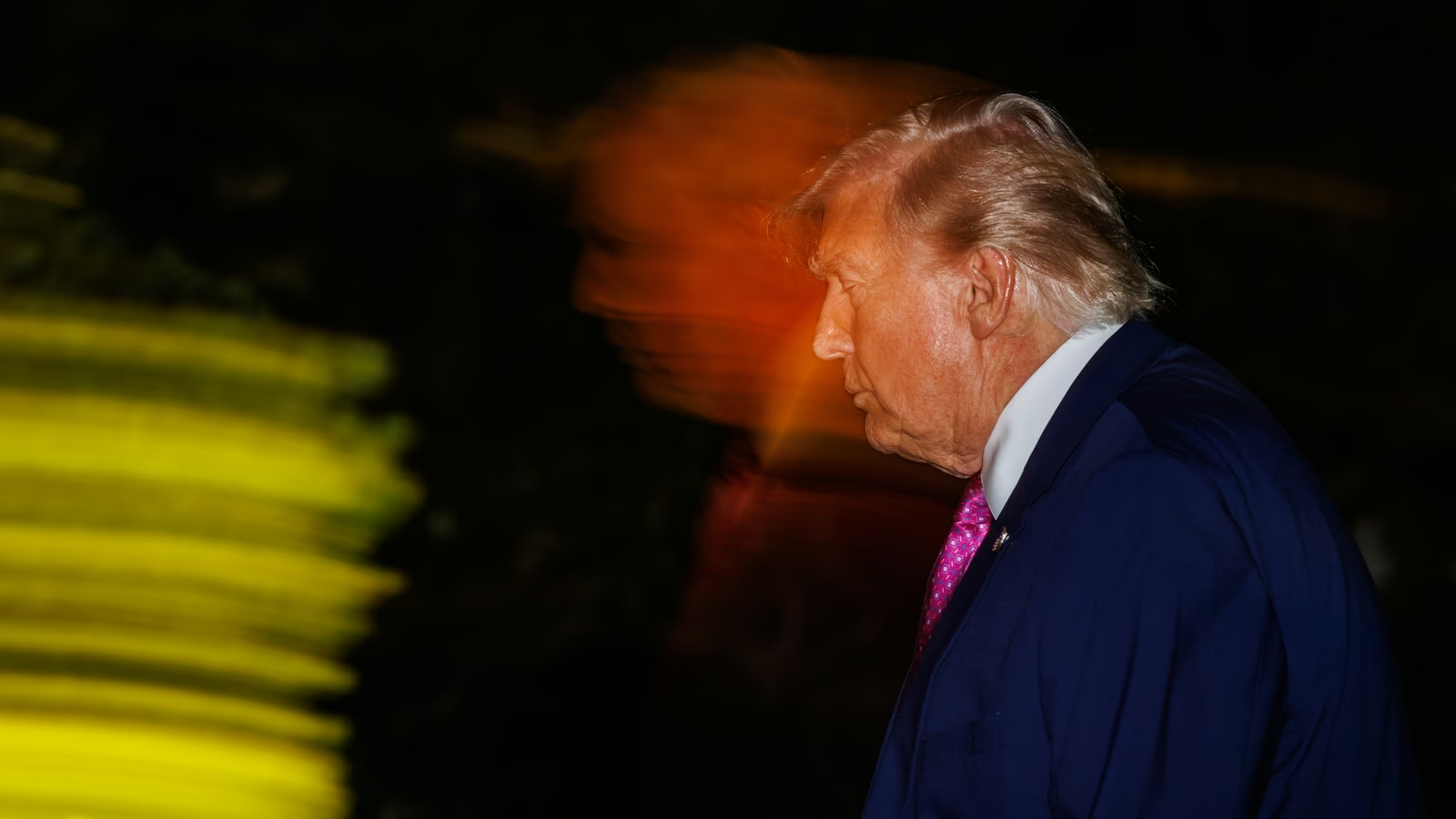
Washington – The term “Nuclear Fallout” has returned to the headlines following statements by U.S. President Donald Trump, sparking a wave of international debate and anxiety regarding potential military escalation between superpowers. The use of this shocking term comes at a time of heightened global tension, reviving Cold War nightmares and the risks of collective annihilation that could result from a single political or military miscalculation in volatile conflict zones worldwide.
Technically, nuclear fallout refers to the radioactive particles propelled into the atmosphere following a nuclear explosion, which are then carried vast distances by the wind. Its danger lies in its ability to broadly contaminate air, water, soil, and crops, meaning its impact lasts for years and affects geographic areas that may not be direct parties to any military conflict.
Health and Environmental Impacts: The Never-Ending Disaster
Nuclear physics and environmental experts emphasize that the danger of nuclear fallout does not end with the initial blast; it represents a continuous, multi-generational catastrophe. The radiation emitted by these particles leads to severe health issues, ranging from fatal cancers and respiratory diseases to genetic mutations passed down to offspring. Furthermore, radioactive contamination causes total ecosystem destruction, rendering affected areas uninhabitable for humans or agriculture for decades.
Specialists believe that Trump’s revival of this term aims to highlight “deterrence through horror,” warning that any major confrontation will not result in a single party’s defeat but in total environmental and health destruction. This warning reflects deep-seated fears of sliding toward the brink as regional conflicts and unprecedented military movements escalate globally.
Arms Race and the Fear of “Fatal Miscalculation” in Politics
Political observers point out that invoking “nuclear fallout” in official rhetoric reflects the return of the nuclear arms race to the forefront of global issues. With the collapse of some arms control treaties and the development of hypersonic missile technologies, the fear of a “miscalculation” has become the primary concern for leaders and international organizations. Some suggest that Trump’s remarks might be a pressure tactic to force a return to the negotiating table by reminding the world of the heavy price humanity could pay.
In conclusion, the term “nuclear fallout” remains a warning bell, reminding the world of the necessity to keep diplomatic channels open regardless of the severity of disagreements. In the age of smart weapons and mass destruction, wars are no longer just military engagements on the ground but existential threats to the very atmosphere and environment we breathe, necessitating international solidarity to prevent these warnings from becoming an uncontainable tragic reality.