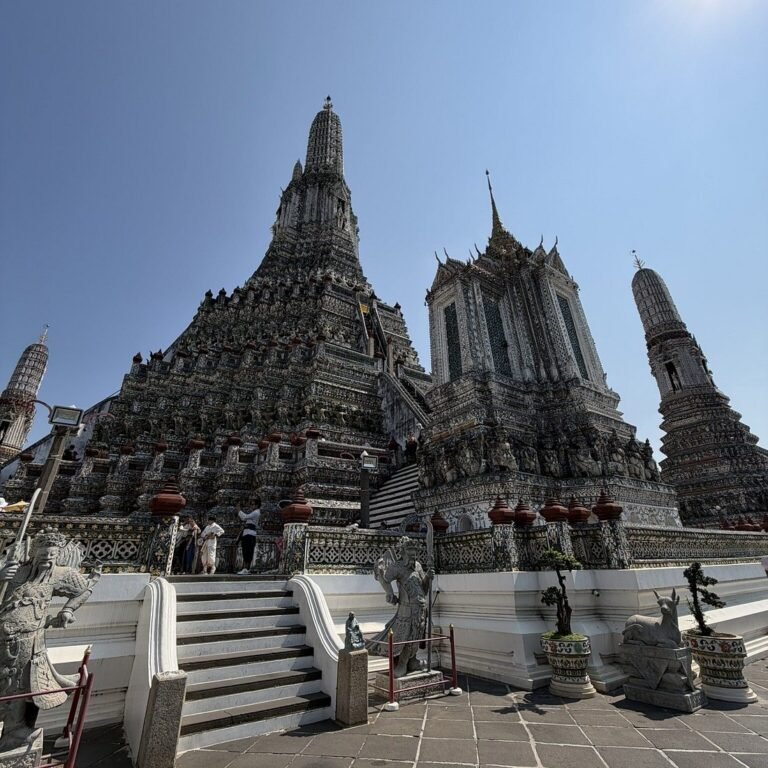
Bangkok – On the anniversary of its name change, the Kingdom of Thailand revisits one of the most significant historical milestones that defined its modern political and cultural trajectory. The official transition from “Siam” to “Thailand” was not merely a change in geographical records or diplomatic paperwork; it was a strategic decision carrying profound dimensions regarding national identity and the forging of a new concept of political belonging in the heart of Southeast Asia.
The name “Siam” dates back centuries and was the dominant term used by the outside world—traders and explorers alike—to refer to this ancient kingdom. Despite its strong presence in historical documents and old diplomatic treaties, the early 20th century brought winds of change as nationalist movements rose, demanding that the state be defined through the lens of its own people rather than a foreign perspective.
1939.. The Birth of the “Land of the Free”
In 1939, the government led by Prime Minister Plaek Phibunsongkhram took the historic step of officially changing the name to “Thailand.” The new name carries immense symbolic weight, meaning “Land of the Free,” a proud reference to the country being one of the few in the region that successfully maintained its sovereignty and never fell under direct Western colonization. The goal of this change was to fuse various social components into a single “Thai identity” and strengthen the sovereign position of the emerging state.
Although political upheavals following World War II led to a brief return of the name “Siam,” the government permanently re-adopted “Thailand” in 1949. Since then, the name has been officially recognized in all international forums and world maps, becoming a symbol of a modern state that blends ancient heritage with future ambitions.
A Political and Cultural Project for a Modern State
Historians argue that the name change was not just a passing administrative procedure but a fundamental pillar of a comprehensive political and cultural project aimed at modernizing society. At a time when the region was witnessing major conflicts over influence, the Thai leadership wanted to send a message to the world that “Thailand” is a unified, strong entity with a homogeneous identity. This shift contributed to boosting national spirit and rallying the public around national institutions amidst the major transformations in Asia.
Despite the passing of decades, the name “Siam” still pulses in the memory of the Thai people. It is used today in the names of prestigious institutions, cultural centers, and historical landmarks. Today, “Siam” is viewed as the heritage symbol reflecting deep historical roots, while “Thailand” represents the contemporary face of a nation that successfully reshaped its identity to fit the aspirations of its people.