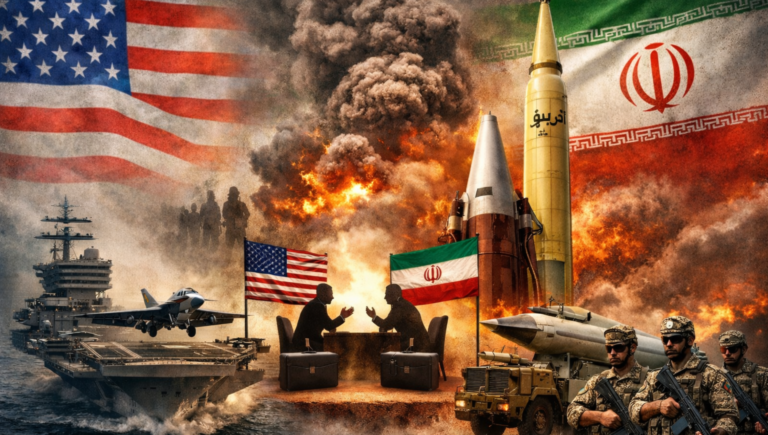
Washington, DC – Media reports, most notably from Axios, indicate that the United States is considering a proposal within the ongoing negotiations with Iran that would involve releasing approximately $20 billion in frozen Iranian assets. In return, the proposal includes the transfer or surrender of a significant portion of Iran’s enriched uranium stockpile, as part of efforts to reach an agreement aimed at de-escalating tensions.
According to leaks, the proposal is part of a preliminary draft agreement concerning the Iranian nuclear program. This proposal includes complex financial and political arrangements aimed at reducing Iran’s uranium enrichment levels. Additionally, it includes a gradual easing of sanctions and the release of some of the funds frozen in foreign banks.
Reports indicate that Iran possesses a large stockpile of uranium enriched to near-military levels. This is a major point of contention in the ongoing negotiations between Tehran and Washington. Furthermore, there are international concerns about the potential development of a military nuclear capability.
In contrast, political sources confirm that the American proposal is still under discussion and no final agreement has been reached. Fundamental disagreements remain regarding the amount of funds and the mechanism for transporting or storing the uranium. Furthermore, there are disagreements concerning implementation guarantees and international oversight.
These developments come at a time of escalating tensions in the region, linked to a complex web of security and economic issues. These issues include US sanctions and maritime security in the Strait of Hormuz, as well as regional power balances in the Middle East, meaning any potential agreement will have a direct impact on energy markets. Consequently, it will also have a direct impact on global geopolitical stability.
Observers emphasize that any progress in this process will depend on the ability of both sides to overcome outstanding differences, particularly regarding international verification and monitoring mechanisms for Iran’s nuclear program. They stress the need to ensure that the program is not redeveloped for military purposes.