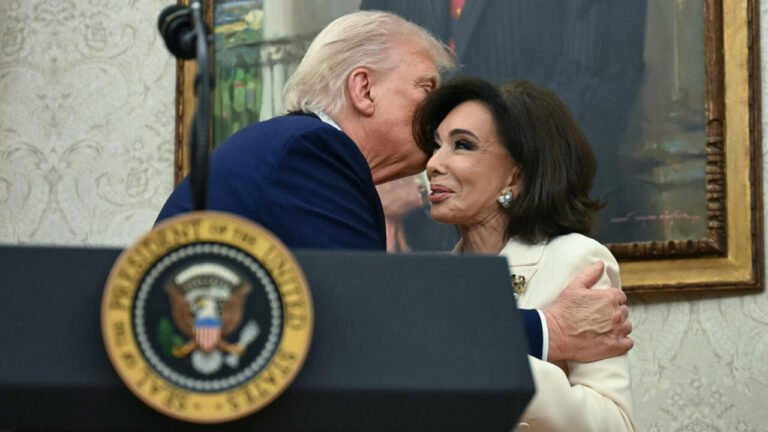
Washington, DC – In a move underscoring Washington’s determination to use legal tools to bolster its maritime blockade, US Attorney General for the District of Columbia, Jeanine Pirro, announced that the two Iranian oil tankers recently seized by US forces were under close surveillance and pursued based on lawful search warrants issued by her office.
This statement lends legal cover to the US Navy’s operations on the high seas against Iranian shipping.
Details of confiscated shipments
According to a statement carried by Al Jazeera and published on Peru’s official social media accounts, the two targeted vessels were the tankers M/T Majestic and M/T Tifani.
The Attorney General, appointed to this strategic position by President Trump, revealed that the two tankers were carrying a massive cargo of approximately 1.9 million barrels of Iranian crude oil at the time of their seizure. This cargo is valued at hundreds of millions of dollars on global markets.
A message of judicial resolve
Peru stressed in its statement that the United States will not tolerate attempts to circumvent international sanctions, saying, “We will continue to relentlessly investigate, track, and prosecute these cases.”
It added that its office will use all available legal authorities to hold sanctioned actors accountable. This aims to deny what it called “state sponsors of terrorism” any ability to profit from illicit maritime activity or finance their operations through energy sales.
strategic implications
Observers believe that transforming military seizures into legal “search and seizure” cases aims to enable Washington to later sell the confiscated oil legally and use the proceeds to fund a “Victims of Terrorism Fund” or cover the costs of military operations.
However, these measures raise international concerns about shipping lanes becoming an arena for open legal and military conflicts. This is especially true given that Tehran describes these actions as “official piracy” and threatens to retaliate against tankers belonging to the United States and its allies. This puts global maritime security at risk amidst ongoing direct warfare and naval confrontations.