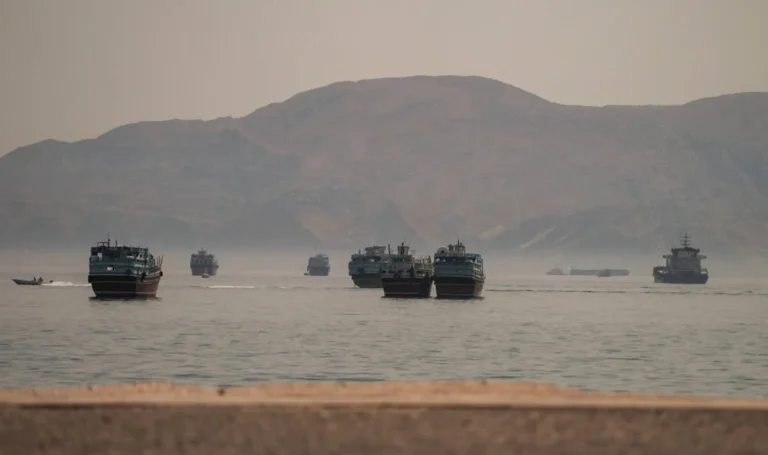
Washington, United States – Maritime traffic in the strategic Strait of Hormuz has witnessed a notable and striking decline. The latest vessel-tracking data, reported by Reuters, showed that the number of ships passing through the strait dropped to just seven on Wednesday, down from approximately twelve the previous day. These low figures reflect a climate of extreme caution and ongoing tension. It is important to note that these tensions are casting a shadow over one of the world’s most critical routes for trade and energy shipments.
Details of entry and exit movements from the Arabian Gulf
According to updated data released on Thursday, maritime traffic through the strait was limited to just four vessels leaving the Arabian Gulf for open waters, while only three vessels were recorded entering the Gulf. These notably low daily figures fall well below the average traffic rate observed over the preceding ten days—a period during which the daily average typically stood at around 14 vessels. This indicates an exceptional slowdown in the movement of commercial ships, cargo vessels, and oil tankers in this vital region.
Covert agents and deactivated transmitters
In a related context, experts and analysts in the maritime transport sector have noted that official figures recorded via tracking systems may not reflect the full picture of actual shipping traffic in the strait. Some commercial vessels and oil tankers traversing this vital waterway engage in “silent sailing”—switching off their transponders for security and precautionary reasons to avoid potential risks. This practice effectively removes them from the scope of automated monitoring and statistical tracking by satellites and standard maritime tracking systems.