Tehran, Iran – Iranian President Masoud Pezeshkian expressed his country’s full readiness on Friday to open a safe and agreed-upon passage through the strategic Strait of Hormuz. However, he stipulated that the United States must fulfill a number of key commitments demanded by Tehran. These commitments are intended to ensure regional stability and reduce existing tensions.
Iranian conditions for opening the waterway and resuming exports
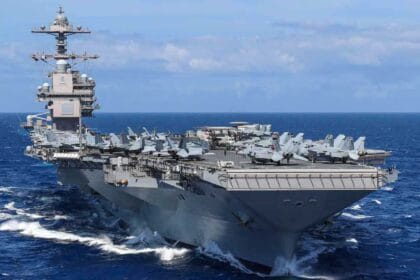
In televised remarks broadcast on Iranian television, Pezeshkian explained that the required US commitments primarily include: lifting sanctions on the fuel and petrochemical sectors, and the immediate release of frozen Iranian assets abroad. Additionally, they include resuming foreign investment in Iran’s energy sector. This proposal comes at a time when the US administration and US Central Command (CENTCOM) assert that the Strait of Hormuz is now under the de facto control of US forces. US forces are managing the entry and exit of ships, in direct defiance of Iranian positions.
The repercussions of the economic blockade and the fuel supply crisis
Domestically, the Iranian president acknowledged a significant decline in the country’s exports and imports, reaching up to 35%, due to the severity of the US sanctions and embargo. He also noted that his country managed to sell approximately 90 million barrels of oil during the interim agreement period. Furthermore, Pezeshkian revealed his government’s intention to raise gasoline prices to address a worsening and acute fuel supply crisis. He indicated that the ongoing military situation and war had exacerbated the country’s fuel shortage.
Regional diplomacy and the collapse of the Islamabad memorandum
Regarding regional relations, the Iranian president emphasized that his country is striving to strengthen its diplomacy and build friendly and robust relations with neighboring countries. However, he also noted that the Islamabad Memorandum of Understanding has completely collapsed. This is due to the failure to adhere to the frameworks and regulations set by Tehran in the clauses related to security and transit arrangements in the Strait of Hormuz.