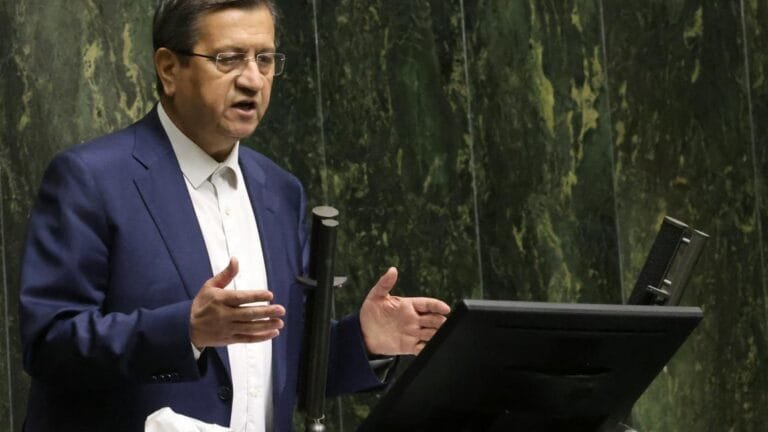
Tehran, Iran – The governor of Iran’s central bank, Abdolnaser Hemmati, acknowledged that the country’s oil exports have largely ceased. He emphasized that the Iranian economy is simultaneously facing a range of challenges and mounting pressures. Hemmati explained that the halt in oil revenue flow is one of the most significant issues weighing on the Iranian economy, particularly given the restrictions imposed on trade and financial transactions. He also stated that these restrictions are creating difficulties in securing the necessary resources for the economy.
He pointed out that the Iranian authorities face multiple challenges that require measures to deal with the current economic situation. At a time when pressures on financial resources and foreign exchange are increasing. This crisis is also reflected in internal conditions, with continued pressure on markets, rising costs of living, and declining purchasing power. At the same time, the government is trying to limit the repercussions of the revenue shortage on various sectors.
Iran relies heavily on oil exports as its primary source of foreign currency. Therefore, the decline in exports to these levels places additional pressure on public finances and the exchange market, further complicating economic management under the current circumstances. The central bank governor’s remarks come at a time when Tehran faces a complex web of economic challenges. The government is actively seeking alternatives to oil revenues while striving to maintain market stability and ensure the availability of essential goods. The Iranian official’s acknowledgment of the significant drop in oil exports reflects the severity of the country’s economic situation. This comes amidst ongoing pressures that threaten to further impact the currency, prices, and commercial activity in the coming period.