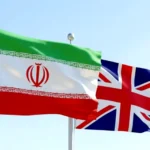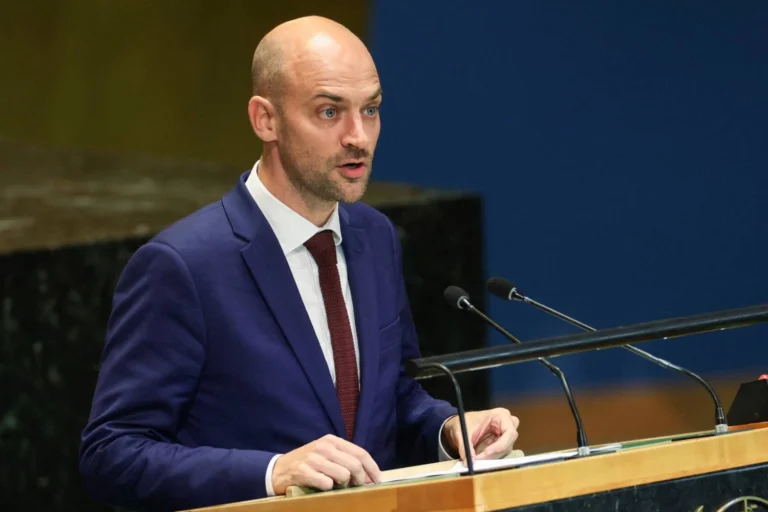
Paris, France – In a significant development in the escalating crisis in the Gulf region, France directly accused Iran of violating international obligations and jeopardizing freedom of navigation, prompting the United States to launch new military strikes. These remarks were made by French Foreign Minister Jean-Noël Barrot in an interview with TF1 on Thursday, July 8, 2026, commenting on the latest exchange of fire between Washington and Tehran.
Barrow: Iran violated the agreement
In his remarks, Foreign Minister Barrault asserted that “Iran provoked the United States into launching new attacks,” noting that Tehran violated its commitments and international law by targeting ships sailing in Omani waters. Barrault added that Tehran disregarded the agreement reached with the United States last month, while simultaneously calling on all parties to exercise maximum restraint and calm. The French Foreign Minister stressed the need for an immediate cessation of these actions “so that vital negotiations can continue under the best possible conditions,” expressing his concern about the impact of this escalation on regional and international stability.
Exchange of blows and regional tension
This French statement comes in the wake of an intense military exchange between the two sides, with Wednesday witnessing the second consecutive day of gunfire. The US military explained that its recent strikes against Iranian targets were aimed at “degrading Iran’s ability to threaten freedom of navigation” in the vital Strait of Hormuz. In response, Tehran did not remain idle, officially announcing attacks targeting US military bases in both Kuwait and Bahrain, an escalation that places the region before a perilous scenario.
These developments come amid intensive international efforts to contain the situation, but the return of direct military exchanges casts a dark shadow over the future of the recently reached agreements. World capitals are anxiously awaiting developments in the coming hours, amid warnings that a slide into open conflict could threaten international maritime security and global energy resources in an unprecedented way, especially given the ongoing security challenges posed by the tit-for-tat attacks on naval bases and vessels in a strategically vital region.