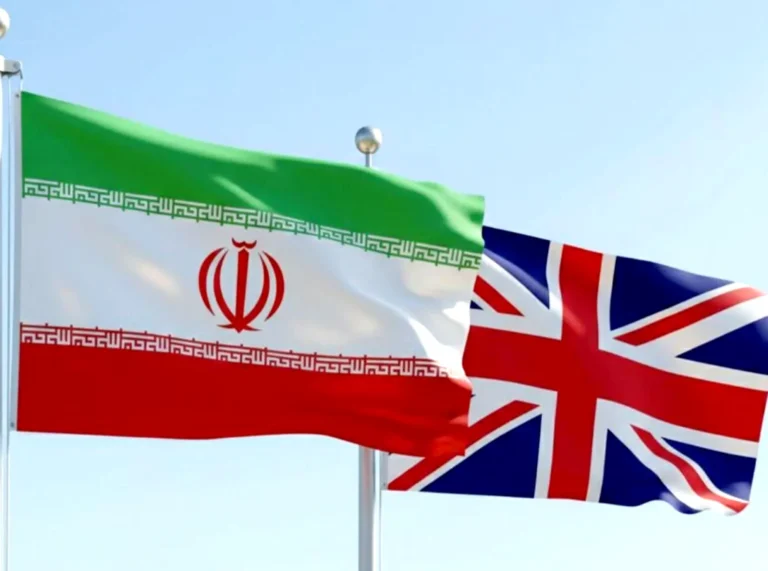
London, UK – Diplomatic tensions between Iran and the UK have escalated. On Thursday, July 9, 2026, the Iranian Foreign Ministry summoned the British ambassador to Tehran. This move comes in response to Britain’s summoning of the Iranian chargé d’affaires in London two days earlier.
Background of the dispute: A journalist’s stabbing case
The crisis stems from a stabbing attack targeting Iranian journalist Pouria Zerati, who works for the Iran International network, in London. British courts recently handed down lengthy prison sentences to two Romanian nationals found guilty of carrying out the attack. Following this, the British Foreign Office summoned Iran’s top diplomat in London. It asserted that “Iran’s actions, which seek to undermine the sovereignty and security of the United Kingdom, are completely unacceptable,” and demanded an immediate cessation of these activities.
Tehran’s response: “Baseless allegations”
In response, Tehran categorically rejected the British accusations. During his meeting with the British ambassador, Alireza Yousefi, Assistant Minister and Director General for Western European Affairs at the Iranian Foreign Ministry, described his country’s involvement in the attack as “false and baseless allegations.” The Iranian official accused the British side of providing safe haven to what he called “terrorist networks” operating against the security and stability of the Islamic Republic. He also called on London to reconsider its position and cease what he termed its support for these hostile media activities, noting that they are based on British soil.
Implications of the diplomatic crisis
This reciprocal summons comes at a highly sensitive time. Iranian-Western relations are suffering a continuous deterioration amidst complex issues. While London views these attacks as a serious violation of national security and British sovereignty, and an attempt to silence the free press, Tehran considers networks like “Iran International” to be tools of political incitement operating under the guise of media. Analysts indicate that the exchange of ambassadorial summonses reflects the depth of the rift between the two sides. It also demonstrates the ongoing tension that extends beyond political matters to include information warfare and intelligence activities on European soil. The future of diplomatic relations between Tehran and London remains contingent on the developments on the ground and in the legal proceedings of this case. There are growing concerns that these successive crises could lead to a further reduction in diplomatic representation in the near future. This could happen if the mutual accusations continue.