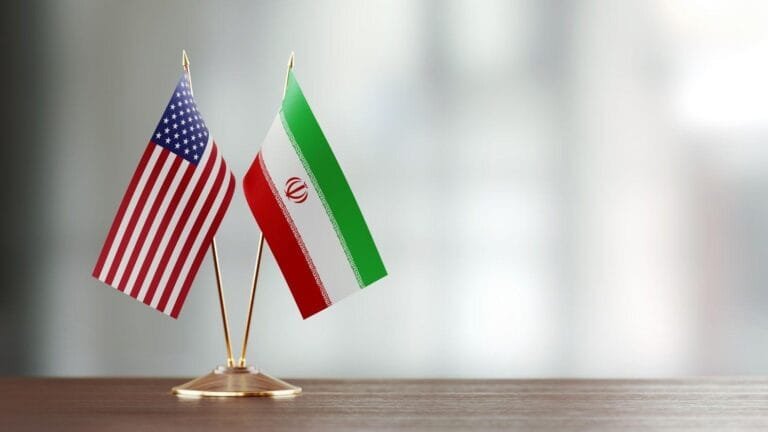
Tehran, Iran – In a significant development in the rapidly evolving diplomatic landscape, the scheduled round of technical talks between Iran and the United States has been moved from Switzerland to Doha, Qatar. This move comes amid intensive international efforts to contain the escalation of tensions and aims to ensure that communication channels remain open between the two sides, despite the recent military tensions in the Gulf region.
Assurances regarding the continuation of the dialogue
Despite media reports that previously indicated the possibility of canceling these meetings, official American sources denied these allegations. She confirmed that technical negotiations on implementing the ongoing agreements are still ongoing and are scheduled to be held in the coming days.
A high-ranking American official indicated to the New York Times that communication channels between Washington and Tehran had not been cut off. He added that the recent exchange of fire did not lead to the cancellation of any of the planned sessions. Axios had previously reported that the upcoming meeting had been scheduled for Tuesday in Doha. This is in line with active diplomatic moves aimed at stabilizing the calm.
Towards a long-term agreement
These talks come in the context of recent preliminary understandings. Washington and Tehran agreed to a temporary halt to their military operations in the Strait of Hormuz. According to reports in the Wall Street Journal, the strategic objective of these talks extends beyond a temporary truce. It also seeks to reach a comprehensive and long-term agreement that permanently ends hostilities and establishes a framework for limiting Iran’s nuclear program. Positive signs of these understandings are already emerging; US officials have indicated that shipping traffic in the strategic waterways has begun to return to normal after the initial de-escalation agreement.
The mediating role and aspirations for de-escalation
Doha’s hosting of these talks is of particular importance, given Qatar’s pivotal role as a mediator with balanced relations with both sides.
The international community is counting on the success of this round of talks to transform the temporary truce into a lasting reality. This is especially crucial as current challenges are placing increasing pressure on all parties to reach an agreement that guarantees maritime security and prevents a slide into open military confrontation.
As world capitals await the outcome of Tuesday’s talks, the nuclear issue and the management of maritime security remain the most prominent aspects of any future agreement. This presents negotiators with a true test of their ability to bridge political gaps and reduce security tensions in the region.