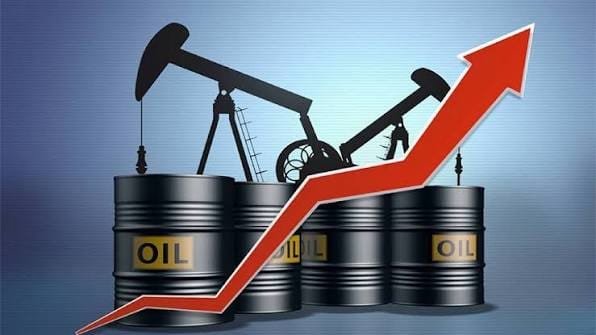
Washington, DC – Global oil prices saw a significant rise during trading on Monday morning, June 29, 2026. This increase directly reflects renewed geopolitical tensions in the Arabian Gulf region, particularly around the strategic Strait of Hormuz. The rise follows a sharp decline in the markets over the past week, which had pushed prices close to levels seen before the latest confrontation.
Price movements in global markets
Brent crude futures rose to around $72.57 a barrel, while West Texas Intermediate (WTI) crude (US oil) climbed to $70.11 a barrel. This surge comes as an immediate response to the uncertainty gripping traders, particularly after Brent closed down more than 4% on Friday, settling at $71.99, while WTI fell to $69.23.
The Strait of Hormuz: A return of geopolitical anxiety
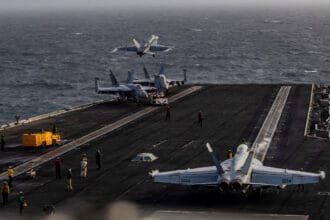
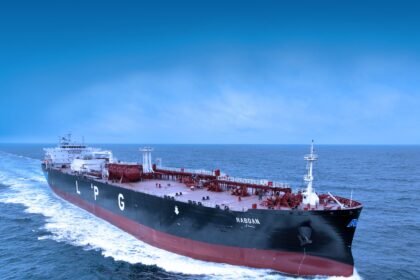
Markets attribute this rapid volatility to reports of a slowdown in energy tanker traffic through the Strait of Hormuz, the most vital waterway for global oil trade. Furthermore, the recent tit-for-tat attacks between the United States and Iran have brought renewed attention to the geopolitical risks threatening global supply chains, prompting investors to reassess the “risk premium” associated with this region.
The market had been banking on relative stability in recent days due to ongoing diplomatic talks. However, renewed security tensions have demonstrated the fragility of this stability. Furthermore, energy market participants are closely monitoring developments in the Strait of Hormuz, as both suppliers and consumers fear that any closure or disruption could lead to inflationary spikes in global fuel prices.
Expectations for the next phase
With tensions persisting, oil prices remain hostage to developments on the ground and in the political arena of the Gulf region.
While international powers are attempting to de-escalate the situation through ongoing negotiations in Doha, any security deterioration in the Strait of Hormuz could erase diplomatic gains and drive prices to new record highs.
In this context, the strategic port and its waterways remain the key indicator of global energy trends. This keeps market observers on constant alert, monitoring for any signs of smooth or disrupted energy shipments.