London – The United States threatened to escalate economic pressure against Iran as commercial maritime transit through the Strait of Hormuz plunged to record lows following attacks on two ADNOC tankers. Consequently, these developments heighten international concern over potential severe disruptions to global energy supplies and economic stability.
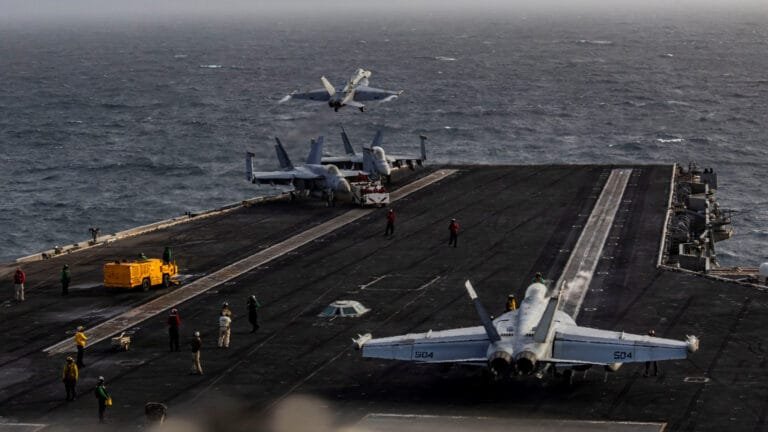
Furthermore, US Defense Secretary Pete Hegseth stated that the US Navy possesses the capacity to sustain a naval blockade on Iran indefinitely through strategic warship rotations. As a result, US Treasury Secretary Scott Bessent announced an upcoming package of unprecedented economic measures designed to deepen Tehran’s financial isolation.
Shipping Collapse and Global Economic Vulnerabilities
On the other hand, vessel-tracking data revealed a dramatic collapse in traffic through the vital waterway, with only a fraction of ships passing compared to the pre-conflict average exceeding 130 vessels daily. Additionally, this supply chokehold pushed crude oil prices upward, sending Brent futures near $87 per barrel and West Texas Intermediate around $81.
Consequently, Tehran has sought to condition normal transit on sanction relief and unfreezing assets, while Washington points toward Oman-mediated assurances as a prerequisite for easing naval restrictions. Ultimately, economic analysts warn that prolonged maritime disruptions risk triggering widespread inflationary pressures and global market stagnation.
Finally, the severe reduction in maritime transit through the Strait of Hormuz places the global economy at a critical juncture. Ultimately, diplomatic resolution and guaranteed secure navigation will remain indispensable for stabilizing global energy markets and averting a broader economic crisis.