Tel Aviv, Israel – The newspaper “Israel Hayom” revealed the behind-the-scenes details of the intensive security and political coordination between Washington and Tel Aviv, which led to determining the course of the Israeli response to the Iranian missile attacks, which contributed to containing the two-day round of fighting.
Behind the scenes of the decision: Netanyahu and Trump’s phone call
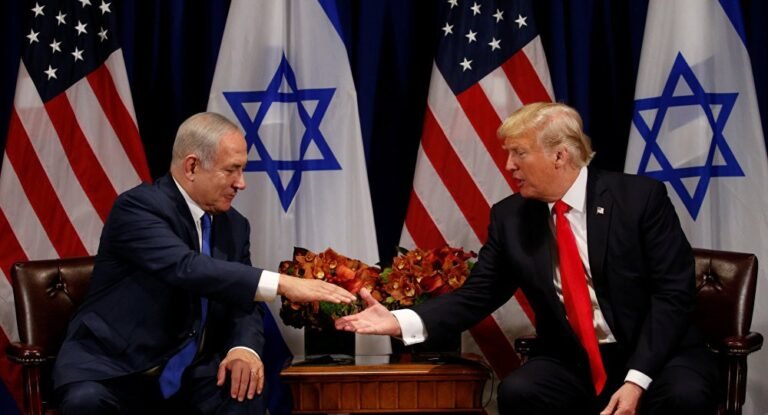
According to sources, the latest Israeli attack came after high-level diplomatic contacts, including a crucial phone call between Israeli Prime Minister Benjamin Netanyahu and US President Donald Trump, and with the direct support of US Secretary of State Marco Rubio. Despite Trump’s public call for “restraint,” intensive consultations led to a consensus on the necessity of an Israeli response to prevent Tehran from exploiting the lack of a response as a strategic advantage.
Nature of the attack and its objectives
Reports indicated that the Israeli attack was powerful and focused, lasting only a few hours and with targets predetermined with the knowledge and approval of the United States. Despite this close coordination, sources emphasized that US forces did not participate directly in the combat operations, which were conducted solely by the Israeli Air Force. From an intelligence perspective, the United States provided informational support regarding the Iranian launches, while Israel assumed responsibility for the interception and military execution.
Messages to calm
Following this round of talks, Israel and the United States conveyed a clear message to Iran that the escalation would stop at this point, provided that Iranian attacks did not resume. This coincided with a decision by the Israeli Security Cabinet to halt attacks on Iranian territory while continuing military operations in southern Lebanon.
This coordination comes amid significant regional and international pressure, with several countries—including Saudi Arabia, Egypt, Qatar, and Turkey—urging the Trump administration to push for an end to the escalation. While indications suggest the coordination has been successful in preventing the region from sliding into a full-blown war, the security situation in both Iran and Lebanon remains subject to the fluctuations of ongoing negotiations and exchanges between the parties involved, as everyone awaits the outcome of efforts to solidify the ceasefire.