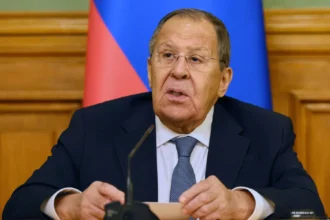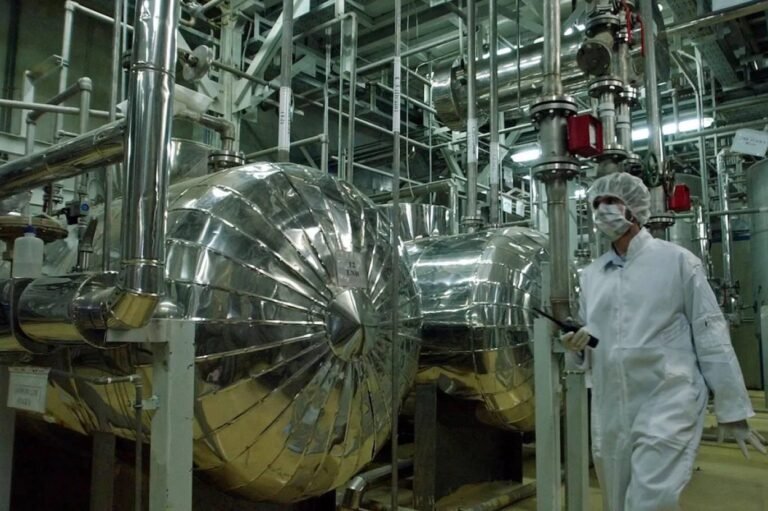
Tehran, Iran – A senior Iranian official affirmed that his country’s right to uranium enrichment and full sovereignty over the Strait of Hormuz are “red lines” that cannot be compromised in any regional or international negotiations or agreements. He also stressed that Tehran will not accept any pressure aimed at diminishing its nuclear capabilities or undermining its strategic position in the Gulf.
The Iranian official stated that the nuclear enrichment program is a fundamental part of Iran’s legitimate rights under international laws and agreements. He further emphasized that his country will not agree to any agreement that prevents it from developing its peaceful nuclear program or imposes permanent restrictions on its activities.
He added that the Strait of Hormuz is a matter of sovereignty and security for Iran, explaining that Tehran considers the security of this vital waterway an integral part of its national security. He also emphasized that Iran will not permit any arrangements or actions that threaten its influence or presence in the region.
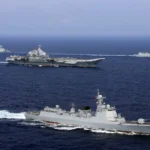
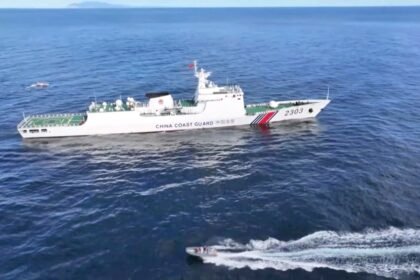
These statements come amidst ongoing indirect talks between Iran and the United States regarding the nuclear issue and other regional matters, against a backdrop of escalating tensions in the Gulf region and increasing Western military activity near strategic maritime chokepoints.
The Strait of Hormuz is one of the world’s most important waterways, through which a significant portion of global oil exports pass. Therefore, any tension in the region is of widespread international concern due to its direct impact on energy markets and global trade.
The Iranian statements also reflect Tehran’s adherence to its negotiating positions despite ongoing pressure and economic sanctions, at a time when Western powers are seeking an agreement that would limit Iran’s nuclear activities and prevent an escalation of military tensions in the Middle East.
Observers believe that Iran’s hardline stance on the enrichment issue and maritime sovereignty indicates the difficulty of reaching a comprehensive agreement in the near future, especially given the continued disagreements over enrichment levels, international monitoring mechanisms, and Iran’s regional role.