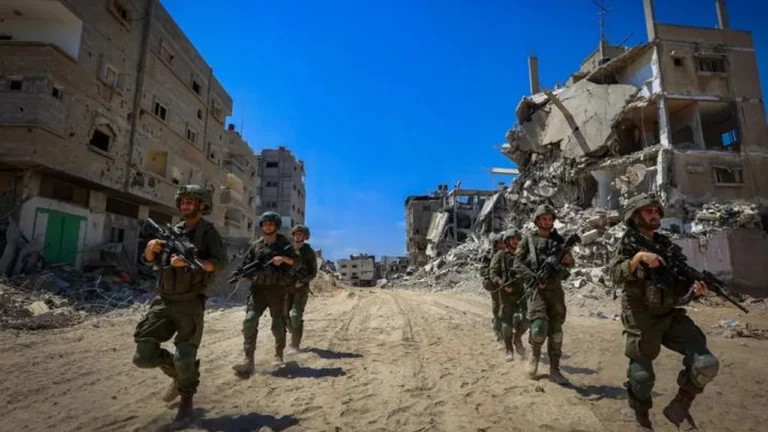
Tel Aviv, Israel – The Israeli newspaper Haaretz revealed intensive Israeli military activity in preparation for a possible resumption of large-scale fighting in the Gaza Strip.
This activity is based on Israeli intelligence assessments indicating that Hamas has exploited the recent months of relative calm, coinciding with the ceasefire in Lebanon and with Iran, to reorganize its forces on the ground.
“Strategic restoration” of Hamas’ capabilities
According to the newspaper, the movement succeeded in carrying out a large-scale “strategic restoration” operation, which included rebuilding its military capabilities, repairing the tunnel network that was damaged during previous operations, as well as restoring the command and control system and rehabilitating its headquarters, despite the strikes that previously led to the loss of its senior military leaders.
Southern leadership pressures for direct intervention
In this context, Haaretz confirmed that the Israeli army chief of staff, Eyal Zamir, has already approved a set of operational plans submitted by the Southern Command. Senior officers within the military establishment are pushing for the implementation of these plans. The commander of the Southern Command, Yaniv Asur, argued in closed discussions that the status quo, or limiting operations to the buffer zone, is no longer viable. He emphasized the lack of international will to disarm Hamas, making direct military intervention inevitable from the army’s perspective.
Government hesitation and the risks of invasion
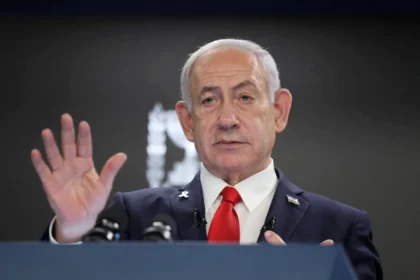
However, Benjamin Netanyahu’s government is still hesitant to give the final green light. Military assessments indicate that if a decision is made to escalate, the army will be forced to enter areas it previously avoided due to the complexities surrounding the hostage situation, such as parts of the central refugee camps, the densely populated al-Mawasi area in the south, and large neighborhoods in Gaza City.
The situation on the ground and the course of the Cairo negotiations
On the ground, Israeli forces currently deployed around the “Yellow Line” are limiting themselves to defensive roles, carrying out swift and targeted strikes upon detecting any suspicious movements. These developments on the ground coincide with ongoing talks in Cairo aimed at reaching an agreement on the future administration of the Gaza Strip. Discussions are currently focused on the fate of weapons, with the proposal to “disarm” and transfer them to a technocratic Palestinian body, rather than handing them over directly to Israel, being considered. This is an attempt to find a political solution that would spare the Strip another round of widespread destruction.