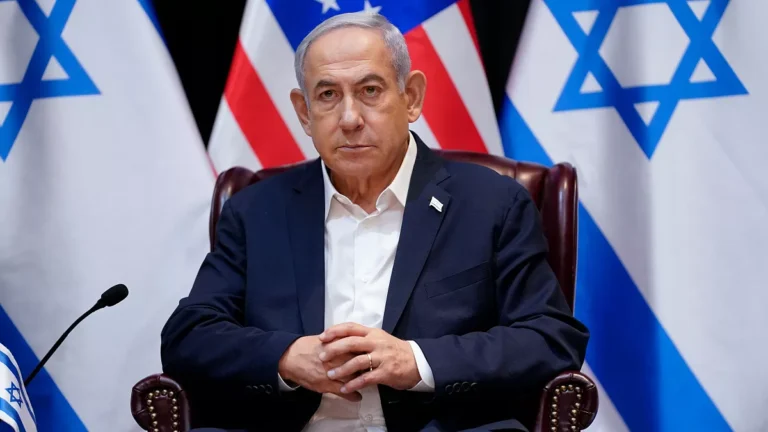
Tel Aviv, Israel – In a move reflecting deep Israeli concern over recent US diplomatic initiatives, an aide to an Israeli minister announced that Prime Minister Benjamin Netanyahu intends to convene an emergency meeting of the Security Cabinet on Sunday evening.
The meeting aims to formulate a unified Israeli position regarding the anticipated agreement between Washington and Tehran. This comes particularly in light of conflicting statements concerning the future of the Strait of Hormuz and the Iranian nuclear program.
Warnings of a new “strategic weapon”
This summons comes in the wake of a wave of sharp Israeli criticism of the draft agreement. Official sources, speaking to Israel’s Channel 12, described the agreement as “a bad deal.”
Israeli officials warned that the current framework gives Tehran a strategic leverage point through the Strait of Hormuz. They argued that this leverage is no less lethal or influential than nuclear capabilities. Furthermore, they believe it could grant Iran long-term geopolitical influence that directly threatens Israel’s security.
Tel Aviv believes that US President Donald Trump’s bet on the “economic nature” of the agreement—namely, opening the vital waterway in exchange for limited nuclear concessions—carries significant risks. This is compounded by the uncertainty surrounding the period after the initial implementation phase.
Conflicting accounts surround the agreement
On the American front, President Trump remains optimistic, asserting via Truth Social that work is underway to finalize a memorandum of understanding that will guarantee the reopening of the Strait of Hormuz.
In contrast, the Iranian news agency Fars adopts a completely different stance, denying Trump’s claims regarding the management of the strait. It described these claims as “inconsistent with reality,” further complicating the diplomatic landscape.
The cabinet meeting is expected to witness heated debates regarding the agreement’s impact on regional balances. This comes amid anticipation of how the meeting’s outcome will shape Israeli policy toward Washington at this sensitive juncture, particularly given the uncertainty surrounding the period beyond the initial 60 days.