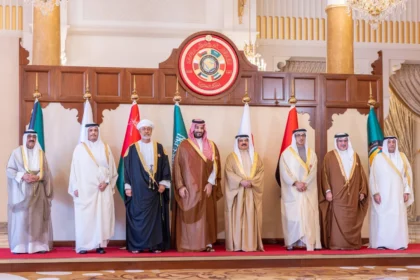
Yerevan, Armenia – NATO Secretary General Mark Rutte announced that European countries have “received the message” clearly from US President Donald Trump and have already begun taking practical steps to implement agreements regarding the use of military bases on their territories.
Rutte made these remarks to reporters on the sidelines of the European Political Community summit in Armenia on Monday, May 4.
Report from Armenia: European allies have grasped Trump’s message and begun securing military bases
NATO: New steps in light of current tensions

Ali Ragab
Ali Ragab, editor at Voice of Emirates News Agency, Cairo office, is an Egyptian journalist and poet, a member of the Egyptian Journalists Syndicate, specializing in...




“Archival States Alliance”: Japan and Indonesia agree on military technology transfer
Japan and the arms industry: Cooperation with Indonesia

Israeli warnings of immediate evacuation of four towns in southern Lebanon
Lebanon: Military escalation and new threats from Israel

A new wave of executions in Iran: Tehran carries out the death sentence against three detainees from the Mashhad protests
Iran: The repercussions of the protests on society
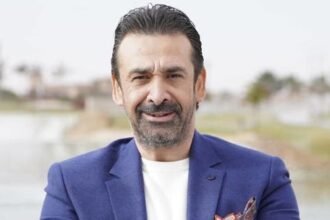
Karim Abdel Aziz in Malaysia with “Family Wanted”
Final touches in Cairo