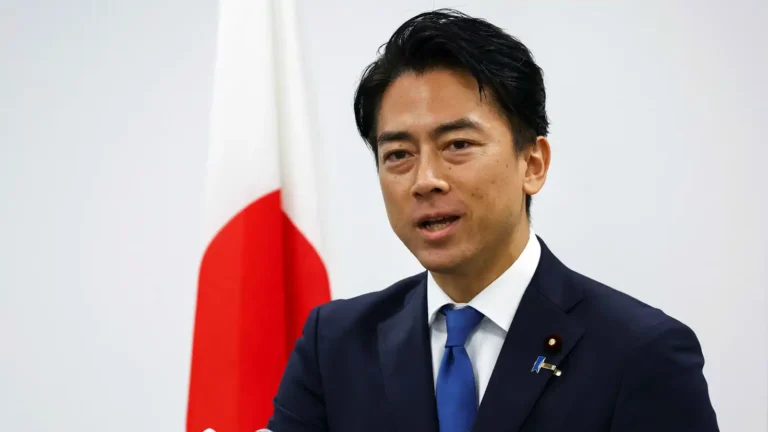
Jakarta, Indonesia – Japanese Defense Minister Shinjiro Koizumi and his Indonesian counterpart, Syafri Syamsuddin, held a closed-door meeting at the Ministry of Defense headquarters in Jakarta on Monday, May 4, 2026. The meeting resulted in a strategic agreement to enhance defense cooperation between the two countries, with a particular focus on developing military industries and transferring advanced technology. This move comes amidst major shifts in Japan’s defense policy and Indonesia’s efforts to modernize its military.
Technology transfer and workforce development
In a joint statement following the talks, Minister Syamsuddin affirmed that the two countries agreed to continue substantive cooperation in the defense manufacturing sector and human resource development, serving the national interests of both.
He noted that Japan’s distinguished expertise in developing major weapons systems would effectively contribute to raising the quality of Indonesia’s defense industries. This is an objective Jakarta is pursuing to modernize its aging military equipment. It also fulfills President Prabowo Subianto’s promises to strengthen the country’s air and naval forces.
Strategic dimensions amid global tensions
For his part, Japanese Defense Minister Koizumi stressed that this cooperation is a strategic necessity given escalating international tensions, particularly the ongoing conflicts in the Middle East and their global repercussions.
Koizumi explained that Japan and Indonesia, as both archipelagic nations, share similar maritime security challenges. He also affirmed that strengthening joint defenses will contribute to the stability of the entire Indo-Pacific region.
A shift in Japanese export policy
These talks follow a landmark decision by the Japanese government last month to revise its defense export regulations, allowing in principle the export of “lethal weapons” after decades of restrictions that limited exports to non-combat purposes.
This shift opens the door for Indonesia to acquire advanced Japanese defense systems that were previously prohibited. The two ministers also agreed to expand cooperation to include humanitarian missions and disaster response, thereby strengthening the comprehensive partnership between Tokyo and Jakarta as a cornerstone of regional security.