Tel Aviv, Israel – On Monday morning, May 4, 2026, the Israeli army issued an urgent warning to residents of four towns in southern Lebanon, demanding they immediately evacuate their homes and move at least 1,000 meters away.
The evacuation orders included the towns and villages of Qana, Dabaal (Tyre District), Qaqaiyat al-Jisr, and Srifa. This came amid fears of imminent military operations targeting these areas.
Nighttime escalation and widespread bombing operations
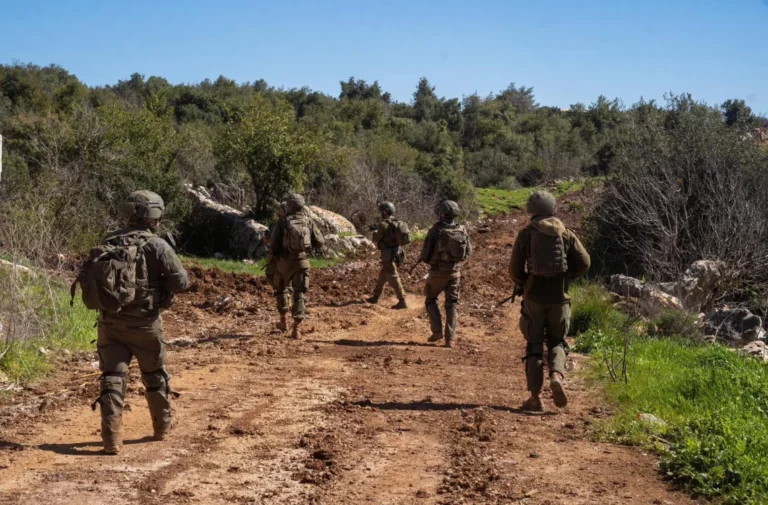
On the ground, the military operations did not stop at verbal threats, as Israeli forces carried out extensive bombing raids overnight in the towns of Khiam and Qantara. This coincided with heavy artillery shelling targeting the outskirts of the towns of Safad al-Batikh, Yater, Majdal Selm, and al-Shaitiya.
For more than 48 hours, southern Lebanon has been living in a state of intense fighting. The region has thus returned to the levels of violent escalation that prevailed before the first ceasefire declared on April 16.
The fragility of the truce and the exclusion of the South
It has become clear that the effects of successive ceasefires, the latest of which US President Donald Trump announced would be extended for another three weeks, are not practically applicable to the southern Lebanese front. Military operations there are concentrated with greater intensity compared to other Lebanese regions, which are witnessing only limited violations.
Observers believe that Israel has decided to exploit these ceasefires to intensify its pressure in the south by destroying buildings, bulldozing border villages, and resuming assassination operations. It also plans to later turn its attention to other fronts should the fragile agreements collapse.
Hundreds of airstrikes and the absence of a political solution
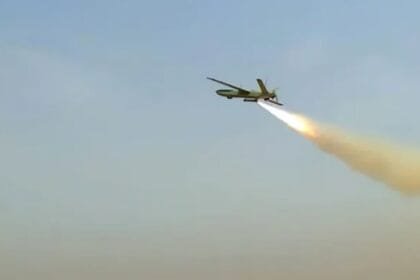
Field reports documented hundreds of Israeli airstrikes in the past 48 hours, as the exchange of fire between the Israeli army and Hezbollah continues unabated.
Despite the ceasefire announced by Trump in mid-April following talks with Israeli Prime Minister Benjamin Netanyahu and Lebanese President Joseph Aoun, and its subsequent extension on April 23, the reality on the ground indicates the failure of diplomatic efforts to halt the fighting in southern Lebanon. This leaves the region facing open-ended scenarios of full-scale escalation.