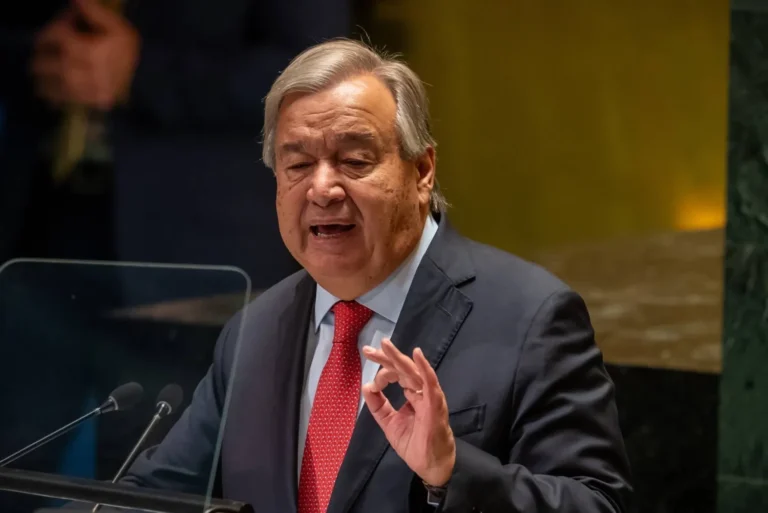
Doha, Qatar – In a significant diplomatic escalation since the start of regional tensions, the State of Qatar today, April 2, 2026, sent its tenth identical letter to both Mr. António Guterres, Secretary-General of the United Nations, and Mr. Jamal Fares Al-Ruwaie, Permanent Representative of the Kingdom of Bahrain and President of the Security Council for the current month. The letter provides the international community with detailed information regarding Iran’s ongoing attacks targeting Qatari sovereignty and vital energy facilities.
The series of aggression: From drones to cruise missiles
The letter was delivered by Her Excellency Sheikha Alya Ahmed bin Saif Al Thani, Permanent Representative of the State of Qatar to the United Nations. It included official documentation of three successive waves of drone attacks on March 28, 29, and 30. Qatari air defenses successfully intercepted all three. However, the most serious escalation occurred on Wednesday, April 1, when Iran targeted Qatari territory and waters with three cruise missiles. While two were intercepted, the third struck the oil tanker “Aqua 1,” a fuel oil tanker chartered by Qatar Energy, which was operating within Qatar’s territorial waters. The letter confirmed the evacuation of the 21-member crew without any casualties or environmental damage. It characterized the incident as “economic terrorism” that threatens global energy security.
Challenge Security Council Resolution 2817
In its letter, Doha emphasized that this aggression constitutes a blatant violation of Security Council Resolution 2817 (2026). That resolution condemned previous Iranian attacks and demanded an immediate cessation of all hostilities. Qatar asserted that the continued shelling represents a clear breach of the UN Charter and resolutions of international law. It also called upon the Council to take concrete measures to deter Iran from continuing its violations.
International responsibility and the right to self-defense
The Qatari letter emphasized that the targets struck by the bombing were “purely civilian targets.” This makes the attacks a violation of the 1949 Geneva Conventions and their Additional Protocols. It also constitutes a breach of the principles of international humanitarian law, which prohibit indiscriminate attacks and the targeting of civilian objects. Qatar’s letter stressed the following strategic points: Responsibility and Compensation: Qatar holds Iran fully internationally responsible for these unlawful acts. It demands compensation for all damages inflicted on the facilities and tankers. The letter indicated that the relevant authorities have already begun assessing the losses. Article 51 of the Charter: Doha affirmed its inherent right to self-defense under Article 51 of the UN Charter. It emphasized that it will not compromise on protecting the security of its citizens and residents.
Analysis: Doha is building a “legal deterrence” strategy.
Observers at Al-Manshar News believe that the frequency of Qatari messages, reaching the tenth, reflects Doha’s desire to exhaust all diplomatic avenues and document the violations historically and legally before any potential action. The targeting of an oil tanker in a vital waterway also raises global concerns. This could prompt the Security Council, under Bahrain’s current presidency, to take more decisive punitive measures to ensure the safety of international navigation and prevent the region from sliding into a full-blown war. Qatar has requested that this message be circulated as an official Security Council document, thus becoming a legal reference documenting one of the most dangerous phases of military escalation in the Arabian Gulf region.