New Delhi, India – In a strategic move to bolster bilateral cooperation and support economic stability in the Indo-Pacific region, the United States and India signed a comprehensive cooperation agreement in New Delhi on Tuesday aimed at securing and strengthening supply chains for critical minerals and rare earth elements.
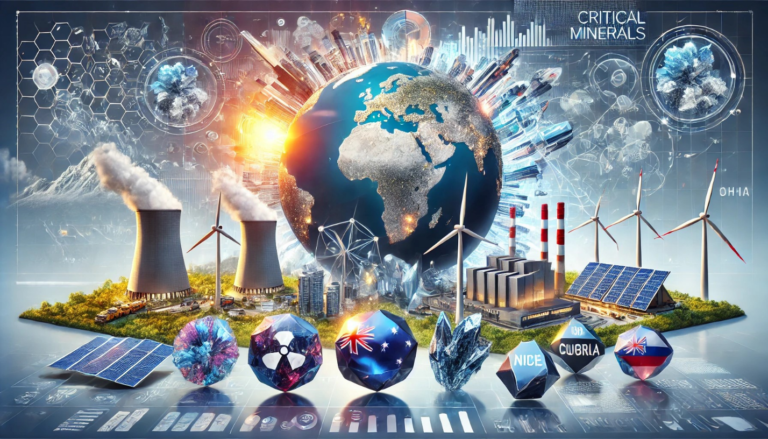
This step comes at a time of growing international concern about the monopolization of strategic resource markets by certain countries. Modern technology and defense industries rely on these resources.
Reducing dependence on suppliers and securing supplies
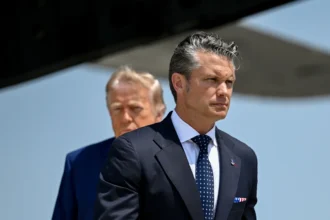
During the signing ceremony, U.S. Secretary of State Marco Rubio affirmed that the agreement reflects the two countries’ commitment to protecting their shared interests. He also emphasized the need to reduce reliance on single-source suppliers, which poses geopolitical risks to global supply chains.
Rubio added that securing access to these essential materials has become a cornerstone of national and economic security. This is particularly important in a world characterized by political volatility.
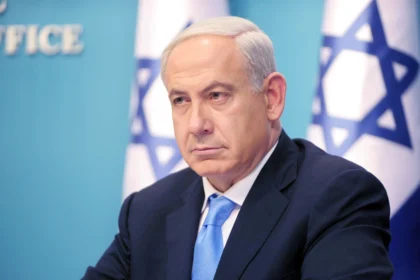
For his part, Indian External Affairs Minister Subrahmanyam Jaishankar explained that the agreement represents a qualitative leap in the partnership between the two countries. It will cover cooperation across the entire value chain, from extraction and exploration to ore processing and recycling.
Jaishankar noted that this integration will directly contribute to creating more resilient and diversified supply chains, thereby enhancing the ability of both economies to withstand future crises.
Integration with the “Quad Dialogue” (QD) initiatives
The historic signing ceremony followed the ministerial meeting of the Quadrilateral Dialogue (QD), which includes the United States, India, Japan, and Australia. The meeting saw significant announcements by the US Secretary of State regarding the launch of the Indo-Pacific Energy Security Initiative. Additionally, the establishment of a Quadrilateral Framework for the Supply of Critical Minerals was announced, reflecting a move towards building strong economic alliances to address global challenges.
This agreement is a cornerstone of the “free and open” Indo-Pacific vision championed by Washington and its allies. Through it, countries seek to diversify their supply sources away from Chinese dominance. It also aims to ensure the continued flow of strategic materials needed for digital transformation and clean energy. This partnership positions India as a pivotal player on the global minerals map. At the same time, the United States underscores its commitment to forging close cooperation with its regional partners to ensure resource security in the 21st century.