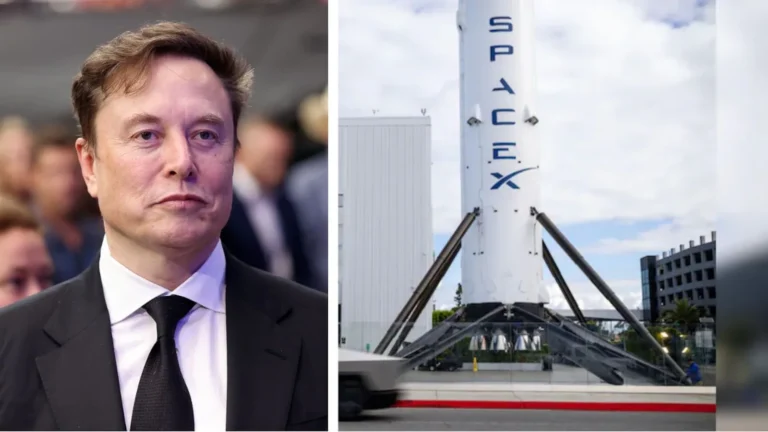
Washington, DC – Media reports have revealed escalating financial tensions between the US Department of Defense (Pentagon) and Elon Musk’s SpaceX. This comes against the backdrop of the potential use of suicide drones, guided by the Starlink satellite network, in a conflict with Iran.
According to Reuters, company officials have demanded a significant increase in the cost of services provided to the US military. They justified this demand by citing a wide gap between the current cost and the actual level of service provided.
The numbers battle: $5,000 versus $25,000
Reports indicate that SpaceX executives informed Pentagon officials that the U.S. military currently pays approximately $5,000 per terminal. In contrast, the service level used in actual field operations requires fees closer to $25,000.
This pricing disparity has been a major point of contention between the two sides in recent months. SpaceX is seeking to increase its revenue from the sensitive technology services it provides to military operations.
Ultimately, the Pentagon agreed to raise the company’s service fees. This strategic move nearly doubled the cost of each LoCAS suicide drone. It reflects the strain that the demands of advanced military technology place on the defense budget.
Cellular communication challenges in Iran
The dispute wasn’t limited to the pricing of the drones; it extended to ambitious plans by the Pentagon to help Iranian citizens circumvent the communications restrictions imposed by the authorities in Tehran. The plan includes providing direct cellular connectivity via the Starlink network, similar to 5G services.
In this regard, SpaceX requested a budget of up to $500 million to implement this plan. In addition, there are monthly operating costs of $100 million. These enormous figures have alarmed US defense officials, who find themselves facing exorbitant financial demands from a company that has become the primary supplier of these strategic technological services.
These developments raise questions about the extent of the Pentagon’s reliance on the private sector for managing military and cyber operations, and the potential for financial or technological “blackmail” that American policymakers might face.
As the military continues to need its technological edge, the balance between exorbitant costs and military imperatives remains a persistent concern. This poses new challenges to the partnership between the federal government and the tech giants of Silicon Valley.